
Undergraduate Overview
Architecture, Interior Architecture, & Designed Objects Undergraduate Overview
Fall 2027 Early Action and Priority Merit Scholarship Deadline: November 15
The Department of Architecture, Interior Architecture, and Designed Objects (AIADO) is a place where students can explore design and experiment across boundaries.
The Bachelor of Fine Arts in Studio (BFA) is an interdisciplinary curriculum designed to prepare students for life as a 21st century artist and designer. Students are encouraged to take courses in any medium of field of study relevant to their practice. Small class sizes, a commitment to personal attention, and support for free expression define the undergraduate experience.
AIADO offers pathways through the BFA that combine sequenced, project-based design studios with electives that build skills and expand knowledge in design. As a BFA student, pathways offer you a guide to the prerequisites for advanced studios in the BFA, preparation for further graduate study, and support developing your own design portfolio.
AIADO offers combined coursework with departments including Fashion Design, Fiber and Material Studies, Sculpture, and Ceramics, allowing students to build strong connections to other areas of the School. BFA students are encouraged to apply to the department’s External Partnership courses with collaborators in industry and culture. Students participate in the Academic Spine, including the Sophomore Seminar, Junior Professional Practice Seminar, and Capstone experience in their final year. BFA students work in the School’s workshops, libraries, and museum collection, making the most of the resources of the School and the city.
-
With courses on architectural design, representation skills, and architectural history and theory, the Architecture Pathway focuses on architecture and its impacts on public life while allowing students to experiment in areas such as technology and building performance, urbanism and social practice, and the visualization and communication of information.
The Architecture Pathway is an excellent preparation for graduate study in Architecture.
-
The Interior Architecture Pathway focuses on the experimental design of interior spaces at various scales. Students work across disciplinary boundaries in developing design ideas that are future oriented and addresses the role and impact of interior spaces in the 21st century. The Interior Architecture courses equip students with a progressively broad range of knowledge and skills to become spatial innovators in an exciting field that bridges architecture, object, and service design. The pathway is also an excellent preparation for graduate study.
Students who complete the Interior Architecture Pathway meet criteria for the NCIDQ examination given by the Council for Interior Design Qualification. For the most up-to-date criteria, go to the CIDQ website.
BFA in Fine Arts Studio Interior Architecture Pathways [PDF]
-
Borrowing critically from product design, systems design, furniture design, and interaction design, the Designed Objects Pathway focuses on the critical and creative rethinking of the systems, tools, furnishings, and products that we use or interact with in our everyday lives.
Investigations into how objects extend human potential and inspire imagination are balanced with studies in the responsible and imaginative use of new technologies, materials, and production processes. A concern for sustainability provides an opportunity to explore alternative visions of how we live, work, communicate, and play.
-
The Bachelor of Fine Arts (BFA) degree provides you a broad education that balances thinking and making, academic rigor, and experimental play. The BFA curriculum integrates academic and studio education—the classroom and the studio inform and enhance each other.
Studio 69 - CP 1010 Core Studio Practice I (3)
- CP 1011 Core Studio Practice II (3)
- CP 1020 Research Studio I (3)
- CP 1022 Research Studio II (3)
- SOPHSEM 2900 (3)
- PROFPRAC 39XX (3)
- CAPSTONE 49XX (3)
- Studio Electives (48)
Art History 15 - ARTHI 1001 World Cultures/Civilizations: Pre-History—19th Century Art and Architecture (3)
- Additional Art History Course at 1000-level (e.g., ARTHI 1002) (3)
- Art History Electives at 2000-, 3000-, or 4000-level (9)
Liberal Arts 30 - ENGLISH 1001 First Year Seminar I (3)
- ENGLISH 1005 First Year Seminar II (3)
- Natural Science (6)
- Social Science (6)
- Humanities (6)
- Liberal Arts Electives (6)
- Any of the above Liberal Arts or certain AAP or EIS
General Electives 6 - Studio, Art History, Liberal Arts, AAP, or EIS
Total Credit Hours 120 * BFA students must complete at least two classes designated as "off campus study." These classes can also fulfill any of the requirements listed above and be from any of the divisions (Art History, Studio, Liberal Arts, or General Electives).
BFA in Studio with Thesis Option (Liberal Arts or Visual Critical Studies): Students interested in pursuing the BFA in Studio with the Thesis Option (Liberal Arts or Visual Critical Studies) should contact their academic advisor for details about eligibility, program requirements, and the application process.
Total credits required for minimum residency 66 Minimum Studio credit 42
AIADO Course Listing
| Title | Catalog | Instructor | Schedule |
|---|---|---|---|
| Introduction to Architecture | 1001 (002) | Carl Ray Miller | Wed
9:00 AM - 3:00 PM In Person |
Description
This course introduces students to the history, culture, and practice of architecture, interior architecture, and historic preservation through lectures, field trips, and hands-on exercises. Students learn fundamentals of spatial analysis and representation through orthographic drawing, understand the cultural context in which spatial practices operate, and explore architectural design. Class work may include field trips to historic buildings; visits to archives, exhibitions, or events; and design exercises introducing plan, section, elevation, and scale; translation between two- and three-dimensional representations of space; and architectural diagramming.
|
Class Number |
Credits |
DepartmentLocation |
| Introduction to Architecture | 1001 (004) | Stephanie Slaughter | Mon
9:00 AM - 3:00 PM In Person |
Description
This course introduces students to the history, culture, and practice of architecture, interior architecture, and historic preservation through lectures, field trips, and hands-on exercises. Students learn fundamentals of spatial analysis and representation through orthographic drawing, understand the cultural context in which spatial practices operate, and explore architectural design. Class work may include field trips to historic buildings; visits to archives, exhibitions, or events; and design exercises introducing plan, section, elevation, and scale; translation between two- and three-dimensional representations of space; and architectural diagramming.
|
Class Number |
Credits |
DepartmentLocation |
| Architecture Foundation Studio | 2001 (001) | Marya Demetra Kanakis | Mon/Thurs
9:00 AM - 3:00 PM In Person |
Description
This 6-credit (two day) design studio teaches foundational concepts and skills of architectural design through a series of exercises culminating in a design proposal. Students practice skills of orthographic drawing and model-making in an iterative process to develop and convey ideas through the medium of architectural design. In addition to architectural design, course work includes exercises in architectural research; on-site analysis and community engagement; and precedent study; and concludes with a final presentation. At the conclusion of the semester, students participate in the Portfolio Review, a presentation and critique of student portfolios organized by faculty and students in the department's critique spaces. This course requires students to have a laptop that meets SAIC's minimum hardware specs and runs the department template including Rhino and Revit.
|
Class Number |
Credits |
DepartmentLocation |
| Sketching for Designed Objects | 2005 (002) | Hector Silva | Tues
3:30 PM - 9:15 PM In Person |
Description
Course Description
Students will learn to craft design concept sketches that clearly communicate ideas to others. The course focuses on using freehand sketching and rendering to visualize design objects, clarify form and function, and explore ideas quickly. Through exercises in thumbnail sketching, shading, and form development, students build confidence in drawing as a tool for thinking and communication. The course also introduces orthographic projection for precise technical drawings and two-point perspective for understanding objects in space. Who is this course for? Effective sketching is a foundational skill that designers use throughout their careers. Alongside 3D Modeling and Designing Interaction, this course is part of the core skills group in Designed Objects and is intended to support students as they move through the three-course Core Studio sequence. This course is an excellent first Designed Objects class and an accessible entry point into design at SAIC. There are no prerequisites, and students at all levels are welcome. When should this class be taken? This course is recommended in the freshman or sophomore year and works especially well as a student¿s first Designed Objects course. |
Class Number |
Credits |
DepartmentArea of StudyLocation |
| Designing Interaction | 2019 (001) | George Guffey | Thurs
6:45 PM - 9:30 PM In Person |
Description
Almost all designed objects and systems involve interaction¿how people understand, navigate, and respond to things over time. This core skills studio, part of the Designed Objects core sequence, introduces tools and methods for designing and communicating interactive experiences across physical objects, screen-based interfaces, and virtual environments.
Students learn professional visual communication and prototyping tools used to articulate interaction, including interface prototyping, vector illustration, typography, visual composition, and basic data visualization. While the course uses screen-based tools and interface prototyping software, it is not focused on web design. These tools support design development and the communication of storyboarded scenarios, user research insights, system flows, and proposals for physical and digital experiences. The course introduces industry-standard platforms such as Figma and Adobe Express, alongside core interaction design methods including flow diagrams, wireframes, scenario mapping, and introductory user testing. Emphasis is placed on using these tools as thinking instruments for understanding behavior, feedback, and use over time. Part of the Designed Objects core skills group and required for the core sequence, this course has no prerequisites and is recommended early in the program. |
Class Number |
Credits |
DepartmentArea of StudyLocation |
| Designed Objects Core Studio 1: Designing for Others | 2020 (001) | Cassandra Scanlon | Mon
9:00 AM - 3:00 PM In Person |
Description
Designed Objects Core Studio 1 introduces students to design as an intentional practice oriented toward people beyond themselves. The studio centers on the shift from self-directed making to designing with responsibility toward users, contexts, and real-world constraints.
Work in this studio is primarily analog and hands-on. Students develop ideas through observation, sketching, physical mockups, and full-scale prototyping. The studio introduces a builder mindset, framing making and fabrication as ways of generating insight rather than simply executing ideas. Digital tools are introduced selectively to support thinking and making rather than to define the work. Students learn two-dimensional CAD workflows using vector tools to develop patterns, layouts, and templates for 3D mockups and prototypes, exploring form and proportion. Emphasis is placed on translating insight into form and testing ideas through iteration. Prototypes are used to ask questions, reveal assumptions, and gather feedback. Critique is introduced as a collaborative process focused on clarity of intent and use. By the end of the studio, students understand that design always addresses an ¿other,¿ and that building¿whether with cardboard, foam, or digital files¿is a primary way designers think, test, and learn. This studio is for students beginning their product design studies, including those new to design, fabrication, or digital tools. It is best taken early in the Designed Objects curriculum alongside core skills courses such as Sketching, Digital Modeling, and Designing Interaction. |
Class Number |
Credits |
DepartmentArea of StudyLocation |
| Designed Objects Core Studio 1: Designing for Others | 2020 (002) | Annalee Koehn | Tues
9:00 AM - 3:00 PM In Person |
Description
Designed Objects Core Studio 1 introduces students to design as an intentional practice oriented toward people beyond themselves. The studio centers on the shift from self-directed making to designing with responsibility toward users, contexts, and real-world constraints.
Work in this studio is primarily analog and hands-on. Students develop ideas through observation, sketching, physical mockups, and full-scale prototyping. The studio introduces a builder mindset, framing making and fabrication as ways of generating insight rather than simply executing ideas. Digital tools are introduced selectively to support thinking and making rather than to define the work. Students learn two-dimensional CAD workflows using vector tools to develop patterns, layouts, and templates for 3D mockups and prototypes, exploring form and proportion. Emphasis is placed on translating insight into form and testing ideas through iteration. Prototypes are used to ask questions, reveal assumptions, and gather feedback. Critique is introduced as a collaborative process focused on clarity of intent and use. By the end of the studio, students understand that design always addresses an ¿other,¿ and that building¿whether with cardboard, foam, or digital files¿is a primary way designers think, test, and learn. This studio is for students beginning their product design studies, including those new to design, fabrication, or digital tools. It is best taken early in the Designed Objects curriculum alongside core skills courses such as Sketching, Digital Modeling, and Designing Interaction. |
Class Number |
Credits |
DepartmentArea of StudyLocation |
| Designed Objects Core Studio 1: Designing for Others | 2020 (003) | Antonio Belton | Thurs
9:00 AM - 3:00 PM In Person |
Description
Designed Objects Core Studio 1 introduces students to design as an intentional practice oriented toward people beyond themselves. The studio centers on the shift from self-directed making to designing with responsibility toward users, contexts, and real-world constraints.
Work in this studio is primarily analog and hands-on. Students develop ideas through observation, sketching, physical mockups, and full-scale prototyping. The studio introduces a builder mindset, framing making and fabrication as ways of generating insight rather than simply executing ideas. Digital tools are introduced selectively to support thinking and making rather than to define the work. Students learn two-dimensional CAD workflows using vector tools to develop patterns, layouts, and templates for 3D mockups and prototypes, exploring form and proportion. Emphasis is placed on translating insight into form and testing ideas through iteration. Prototypes are used to ask questions, reveal assumptions, and gather feedback. Critique is introduced as a collaborative process focused on clarity of intent and use. By the end of the studio, students understand that design always addresses an ¿other,¿ and that building¿whether with cardboard, foam, or digital files¿is a primary way designers think, test, and learn. This studio is for students beginning their product design studies, including those new to design, fabrication, or digital tools. It is best taken early in the Designed Objects curriculum alongside core skills courses such as Sketching, Digital Modeling, and Designing Interaction. |
Class Number |
Credits |
DepartmentArea of StudyLocation |
| Tools and Techniques of Architecture | 2102 (001) | Stephanie Surjan | Thurs
3:30 PM - 6:15 PM All Online |
Description
This course introduces the foundational tools and techniques of architectural representation using software platforms such as Rhino and Revit. It is intended for students with little or no prior experience in architectural software.
Students learn the conventions of architectural drawing, including plans, sections, elevations, scale, and basic three-dimensional representation. The course emphasizes the relationship between two-dimensional drawings and three-dimensional models, and introduces digital workflows for drafting, modeling, file organization, and drawing output. Class work includes lectures and demonstrations; readings; and iterative exercises to build understanding of concepts and skills with software. This course requires students to have a laptop that meets SAIC's minimum hardware specifications and runs the department software template including Rhino and Revit. |
Class Number |
Credits |
DepartmentArea of StudyLocation |
| Digital Modeling: Rhino | 2124 (001) | James TerMeer | Fri
9:00 AM - 3:00 PM In Person |
Description
This course introduces Rhino as a form-driven, exploratory 3D modeling tool used widely in product, furniture, and spatial design. Modeling is approached as a way of thinking through form, proportion, and iteration within a broader production-focused design process.
Students learn core Rhino workflows including curve construction, solid and basic surface modeling, transformations, and file preparation for visualization and fabrication. The course also introduces foundational digital workflows such as preparing models for 3D printing, creating 2D drawings for laser cutting, and producing rendered images in KeyShot to communicate design intent. Through a series of design projects, students use Rhino to explore object form, refine ideas through iteration, and translate digital models into physical and visual outputs. Emphasis is placed on clarity of form, thoughtful revision, and understanding how digital modeling supports the development and communication of design proposals. When and why to take this course: Students are encouraged to take this course as early as possible, ideally before or alongside Designed Objects Studio 2. Rhino is used throughout the curriculum and supports iterative form development in studio work. Rhino and SolidWorks are both primary 3D modeling tools used in professional design practice. Students are encouraged to take both courses over time; however, completing either Rhino or SolidWorks provides a strong foundation in digital formmaking. Skills developed in either platform translate across tools and support broader design workflows. |
Class Number |
Credits |
DepartmentArea of StudyLocation |
| Digital Modeling: Solidworks | 2126 (001) | Angie Lullie | Tues
3:30 PM - 9:15 PM In Person |
Description
This course introduces SolidWorks as a parametric, constraint-based 3D modeling tool widely used in product development and manufacturing-oriented design. Emphasis is placed on using modeling to define design intent, dimensional relationships, and functional requirements, supporting clarity, precision, and repeatability in complex objects and systems. SolidWorks is widely regarded as a standard professional 3D modeling tool in industrial design, supporting workflows common in corporate, consulting, and manufacturing-focused practice.
Students learn core SolidWorks workflows including sketch-based feature modeling, parametric constraints, part and assembly creation, and basic documentation practices. The course focuses on how dimensions, constraints, and features work together to support functional performance, mechanical relationships, and downstream production needs. Through approximately three design projects, students develop objects with multiple components, test relationships between parts, and communicate designs through structured models and drawings. Projects emphasize precision, decision-making, and the translation of design concepts into clearly defined systems rather than open-ended formal exploration. When to take this course: Students are strongly encouraged to take this course as early as possible. 3D CAD is used regularly beginning in Designed Objects Studio 2 (DO2) and across many topical studio electives. Early exposure allows students to integrate modeling directly into studio work. SolidWorks is especially useful for students interested in later-stage design development and production-oriented electives. Who this course is for: This course is ideal for students interested in mechanical systems, assemblies, and production-ready design. Alongside Sketching for Designed Objects and Designing Interaction, this course is part of the Designed Objects core skills group supporting the Core Studio sequence. Completion of either SolidWorks or Rhino fulfills the core 3D modeling expectation for the Designed Objects program. Designers in professional practice often specialize in one primary modeling platform while developing transferable modeling concepts that apply across tools. |
Class Number |
Credits |
DepartmentArea of StudyLocation |
| Color, Light, and Space | 3008 (001) | Stephanie Slaughter | Tues
9:00 AM - 3:00 PM In Person |
Description
This course focuses on color and light and their influence on the human experience in the built environment. Students study color interpretation and cultural connectivity; learn rigorous representation techniques; and develop a personal design sensibility with light and color. The course emphasizes Color Theory and Light Theory and their practical applications; color, light and culture and how people experience their environment through the senses; and the design of environmental effects using color and light in tandem with material, structure and form. Course work includes case studies, precedent research, in-class assignments, readings, design critiques, and field trips.
|
Class Number |
Credits |
DepartmentArea of StudyLocation |
| Ceramics for Designed Objects | 3020 (001) | Mie Kongo | Fri
9:00 AM - 3:00 PM In Person |
Description
This course takes students on a journey through the changing landscape of ceramic art, design, and production. Recent advances in rapid prototyping technologies provide designers and artists with more direct means for transforming concepts into physical form. In this course, students explore various ways to apply advanced technologies to ceramic design and production. Students will acquire basic skills in clay modeling methods, plaster mold making, slip casting, 3D Scanning, digital modeling, and digital output methods including 3D Printing and Laser Cutting. Basic knowledge for Rhino and/or other 3D modeling software is required. The technologies and methods for ceramic production have been developing over the course of thousands of years, often linked to specific material/cultural histories. Digital tools afford makers the ability to create, manipulate, distort, and ideate without the constraints of the ceramic process. Through slide lecture, readings, group discussions, demonstrations, and self directed projects, we will consider ceramic production methods of the past and how they influence contemporary art and design practices. In this course we will ask the questions: What are the benefits and the challenges of using ceramic materials? How can we use digital tools to assist in the ideation, prototyping, and the production of ceramic objects? How can we use ceramic materials to assist in the ideation, prototyping, and production of digital objects? What is the interplay between the digital object and the ceramic object?
|
Class Number |
Credits |
DepartmentArea of StudyLocation |
| Designed Objects Core Studio 3: Objects with Behavior | 3022 (001) | Ben Stagl | Thurs
9:00 AM - 3:00 PM In Person |
Description
Core Studio 3 introduces students to designing objects and systems that behave¿objects that sense, respond, and interact over time. The studio marks a transition from designing isolated artifacts to designing systems whose form, logic, and interaction are inseparable.
Students are introduced to fundamental concepts of interaction and systems thinking, including inputs and outputs, states, timing, feedback, and legibility. Using simple electronics, sensors, and actuators, students prototype behaviors and explore how objects communicate what they do through form, response, and feedback. Coding is approached conceptually and pragmatically, with emphasis on understanding and shaping behavior rather than technical mastery. AI and traditional coding tools are used to support iteration, translation, and debugging while students retain authorship over design intent. 3D modeling is used to design structures, enclosures, and assemblies that integrate physical form with electronic components. Prototyping combines rough physical builds with basic interaction logic to test usability and clarity. Visualization tools are introduced to diagram systems, map interactions, and make invisible processes understandable. By the end of the studio, students understand building as an integrative practice¿one that brings together materials, structure, and behavior to create coherent interactive objects. Who this course is for This studio is for students who are comfortable designing physical objects and are ready to explore how objects can act, respond, and interact. It is intended for students interested in interactive products, responsive environments, and hybrid physical¿digital systems, regardless of prior coding experience. When to take it Core Studio 3 is typically taken after completing Core Studios 1 and 2, once students have foundational experience with materials, prototyping, and digital workflows. The studio is designed to run alongside the core skills courses¿Designing Interaction, Sketching, and 3D Modeling¿reinforcing the integration of material exploration, digital workflows, visualization, and prototyping. It is intended to be taken after or alongside the Designing Interaction core skills course. The studio also pairs well with technical or future-focused electives. PrerequisitesPrerequisite: Sophomore-level or above. |
Class Number |
Credits |
DepartmentArea of StudyLocation |
| Minifacture: Designer-driven Production and Distribution | 3062 (001) | Peter J Zerillo | Fri
8:30 AM - 11:15 AM In Person |
Description
Recent advancements in digital fabrication, crowdfunding, and direct-to-consumer sales have enabled independent designers to bring their own products to market, challenging traditional designer-manufacturer relationships. This seminar explores emerging models of small-scale production and distribution, equipping students with the knowledge and skills to develop their own independent design practices. Through case studies, guest speakers, and field trips to local factories and fabrication workshops, students will gain firsthand experience with real-world manufacturing processes. Observing material production techniques will inform design exercises, where students develop original product concepts tailored to specific fabrication methods. After each field visit, students will present their ideas through detailed hand sketches. Guest designers and trips to local studios will provide insight into working with manufacturers, navigating funding sources, and executing marketing and distribution strategies. Instruction will also cover technical drawing, specification packages, and online presence as key tools for independent production. By the end of the course, students will have a foundational understanding of how to design, manufacture, and launch their own products, positioning themselves as independent design entrepreneurs.
|
Class Number |
Credits |
DepartmentArea of StudyLocation |
| Advanced Operations | 3102 (001) | Stephanie Surjan | Tues
3:30 PM - 6:15 PM All Online |
Description
This course teaches advanced operations with the tools of architectural representation. Students learn parametric and generative modeling strategies, advanced Building Information Modeling (BIM) workflows, and methods for moving between software platforms such as Rhino and Revit at multiple phases of a design project.
The class introduces the use of real-world site data, including location and sun settings, to support environmental analysis and design decisions. Emphasis is placed on coordinating digital models, producing drawings, renderings, and basic animations, and clearly communicating design intent and process. Class work includes lectures, demonstrations, readings, and iterative exercises. This course requires students to have a laptop that meets SAIC's minimum hardware specifications and runs the department software template including Rhino and Revit. |
Class Number |
Credits |
DepartmentArea of StudyLocation |
| Architecture and Construction | 3103 (001) | Keefer Dunn | Wed
9:00 AM - 3:00 PM In Person |
Description
This course introduces students to the concepts and skills of designing for construction of buildings and spaces, with an emphasis on the politcical economy of construction. Topics include how architects integrate knowledge and understanding of the construction process into the design process; and how architects communicate their design intentions in drawings and other documents that direct construction. Class work includes lectures; readings and discussions; and exercises to produce construction drawings and details. This course requires students to have a laptop that meets SAIC's minimum hardware specifications and runs the department software template including Rhino and Revit.
|
Class Number |
Credits |
DepartmentLocation |
| Fundamentals of Furniture Making and Design | 3155 (001) | Erik Newman | Tues
9:00 AM - 3:00 PM In Person |
Description
Furniture shapes how we sit, gather, work, and inhabit space. This studio introduces furniture as both a design category and a fabrication discipline, grounding students in form, proportion, structural logic, material behavior, and full-scale making.
Working primarily in wood, with selective use of light metals, students develop fluency in essential shop processes including joinery, machine operation, lathe turning, and iterative full-scale prototyping. Emphasis is placed on human scale and performance: how the body informs dimension, how materials carry load, and how construction decisions shape both function and meaning. Projects progress from focused material and joinery studies to resolved furniture pieces. Making is treated as a mode of thinking, with mockups and prototypes used to test, refine, and evaluate ideas through direct engagement with materials. A primary objective of the course is to build sustained confidence working in the Sullivan Fabrication Center, integrating shop practice into the design process and establishing fabrication as a core component of work at SAIC. This course is for students seeking foundational experience in furniture design and full-scale fabrication, including Designed Objects students preparing for advanced studios such as Chair Studio and Advanced Furniture, as well as students from Sculpture, Fiber, Fashion, Architecture, and related disciplines. It is typically taken in the second year as a gateway to advanced furniture coursework and pairs well with CNC, with no prior furniture experience required. PrerequisitesPrerequisite: Sophomore-level or above. |
Class Number |
Credits |
DepartmentArea of StudyLocation |
| AIA: Practice Studio | 3902 (001) | Chana Haouzi | Mon/Thurs
9:00 AM - 3:00 PM In Person |
Description
This 6-credit (two day) design studio focuses on the role architecture plays in shaping public life. Students address the cultural, political, and material concerns that shape buildings through the development of a design proposal with a clear theoretical grounding and distinct topical focus. Teaching focuses on understanding architectural program and circulation; materiality and structure; and site and context. Students respond to topical briefs put forward by their teacher that incorporate knowledge from areas of architectural practice such as preservation, interior design, or urbanism; use advanced representation techniques to achieve a professional level presentation, and complete a portfolio and resume along with their design work. Class work includes architectural research; precedent study; and site analysis; all informing the completion of a design proposal with a complex program. This course requires 12 credits (two semesters) of Architecture Foundation Studio to register. This course requires students to have a laptop that meets SAIC's minimum hardware specifications and runs the department software template including Rhino and Revit.
PrerequisitesFall 2026 - Must have completed a sophomore seminar class and 6 credits of Architecture Foundation Studio |
Class Number |
Credits |
DepartmentArea of StudyLocation |
| Visionary Drawing | 3906 (001) | Jaak Jurisson | Tues
9:00 AM - 3:00 PM In Person |
Description
Visionary Drawing combines research and studio practice in the exploration at drawings and images that are uniquely compelling and have the power to advance visionary proposals in the realms or art, architecture, film, and spatial invention. Examination of historic and contemporary sources will be combined with active studio practice in making drawings of visions, worlds, speculations and proposals for spaces, buildings, sculptures and future monuments.
We will study an extensive variety and number or artists and architects ranging tram Mies van der Rohe to Henry Darger, Zaha Hadid to Hieronymus Bosch, the Crystal Chain to Boullee. Walter Demarta to the Bechers to Coop Himmel B(l)au The diverse range is deliberate and intentional. Course work will vary but will typically include readings, assignments of research, and regular Intense assignments of drawing and imaging projects. |
Class Number |
Credits |
DepartmentArea of StudyLocation |
| DES OB: Runway Meets Runway: Fashion Accessories and Designing Objects You Wear | 3915 (001) | Stephanie Sims | Thurs
3:30 PM - 9:15 PM In Person |
Description
Runway Meets Runway is an excursion into the intersection of fashion and object design via the accessories and technologies that we wear, carry on and carry with. Working equally in the Fashion Department and AIADO, the students use investigation, iteration and innovation to design and fabricate a collection of accessory designs using analog and digital tools from worlds of both fashion and of product design. This Junior Seminar course includes visits to studios of professional designers to supplement individual developments of objects, lines and looks. Students will develop a web presence appropriate to their emerging practice.
Sample Class Activities: Built around the idea that culture is something we carry, carry on, carry with, and carry out, the students will conceive a 'galactic proposal', design and produce the objects, then integrate them into a social media campaign that introduces them as young independent designers to the outside world. Emphasis is placed on developing a professional mindset and mission to all aspects of their work. Students are introduced to this though guest professionals in design, fashion, materials experts, and social media gurus. The class is built around making a signature collection through studio work. The class will also explore- Strategies for developing a collection, Basics of a signature brand Understanding market categories, Positioning and differentiation through presentation, Material/ technique demonstrations (both analog and digital), Vendor field trips, Roles of Intellectual Property, Transforming a personal social media identity into a professional presence, Branding objects, How to meet impossible deadlines, Studio photography on a shoestring budget -through demos, field trips, invited guests, intense studio nights, and the knowledge and expertise of faculty with deep experience developing individual design practices. PrerequisitesPrerequisite: Sophomore seminar course |
Class Number |
Credits |
DepartmentArea of StudyLocation |
| Emerging Worlds Studio | 4030 (001) | Gionata Gatto | Fri
9:00 AM - 3:00 PM In Person |
Description
The goal of this class is to design services, tools, and objects that will shape a new reality of human experience. The class will explore how long-term trends in urban migration, automation, AI, big data, climate change, food, and mixed experience will transform our day-to-day lives. Through research and experimentation, students will investigate the realities and possibilities of these conditions and consider how they will change what we eat, how we work and relax, what we wear, how we gather, and how we travel. As a living laboratory, students will use a variety of media, including digital fabrication, virtual reality, and physical storytelling, to create new design tools, scenarios, worlds, services, objects, and experiences. To accomplish this, students will research the historical, political, technological, ecological, and cultural trends of a particular topic.
PrerequisitesPrerequisite: Sophomore-level or above. |
Class Number |
Credits |
DepartmentArea of StudyLocation |
| Social Engagement Studio | 4101 (001) | Eric Allan Hotchkiss | Wed, Wed
9:00 AM - 3:00 PM, 9:00 AM - 3:00 PM In Person |
Description
SAIC Design @ Homan Square combines professional practice design experience with community activism. Operating out of SAIC's facility in the Nichols tower at Homan Square, the course engages students in a focused dialogue on social project implementation in Chicago and provides the tools and frameworks to realize those projects. Functioning as a pro bono 'design consultancy' where the residents, small businesses and community groups of North Lawndale act as 'clients', each job is treated as a discrete project involving research, knowledge-sharing and design action. The projects will cover a two-semester cycle, with each semester being offered as an independent class. This course, running in the Spring semester, will emphasize the last three stages of the design thinking process; ideation, prototyping, and testing. course class will focus on proposing and implementing solutions that address the contextual research carried out in the first semester. These solutions will be presented to, and critiqued by, the 'clients' who are the main stakeholders, North Lawndale community leaders, as well as SAIC faculty. Recognizing that making is a research process that reveals new problems, the reflexive activity of proposing, making, presenting and critiquing solutions generates new knowledge as well as physical outcomes. It is this collective 'new intelligence' that is the primary goal of the course.
PrerequisitesPrerequisite: Sophomore-level or above. |
Class Number |
Credits |
DepartmentArea of StudyLocation |
| Whatnot Studio | 4800 (001) | Gionata Gatto | Wed
9:00 AM - 3:00 PM In Person |
Description
Whatnot Studio is a year-long advanced studio in which students design, produce, and publicly present a collection for Whatnot, the school¿s in-house product brand. The course is structured around a complete design cycle, moving from concept development through small-batch production to a fully realized retail and exhibition environment.
Working from an annual theme, students develop individual products that contribute to a cohesive collection. Emphasis is placed on translating ideas into producible designs, with attention to material decisions, fabrication methods, and the constraints of small-batch manufacturing. Unlike most undergraduate studios, the course extends through production, requiring students to fabricate a pilot run of their work rather than a single prototype. In parallel, students collaborate to define the identity of the collection and design a branded retail installation to showcase the work. This includes spatial design, display systems, and communication strategies that position the collection for a public audience. The studio culminates in a major external presentation, with the collection exhibited at a leading design fair or trade show. Throughout the year, students develop an individual design voice while working collectively to produce a unified, high-quality outcome. The course emphasizes design as both authorship and collaboration, and as a process that extends beyond form-making to include production, context, and audience. Enrollment is by portfolio review and is open to advanced undergraduate and graduate students. Please submit a portfolio of work by the end of day on Monday, April 27 to this link: https://airtable.com/app10LexPLHEqM7mV/pagcVlilryi7Xn4Or/form Accepted students will then be enrolled in the course. For more information, contact Jim TerMeer (jterme@saic.edu) or Gionata Gatto (ggatt@saic.edu). This course is best taken in the final year of study, once students have developed confidence in their design process and are ready to carry a project through to production and public presentation. |
Class Number |
Credits |
DepartmentArea of StudyLocation |
| AIA: Capstone Studio | 4902 (001) | Jonathan Solomon | Mon/Thurs
9:00 AM - 3:00 PM In Person |
Description
This 6-credit (two day) design studio is an opportunity for summative, integrated undergraduate work in architecture. Teaching leads students through theoretical and historical precedent, site and program analysis, to a design proposal that addresses contemporary issues in the built environment with a focus on architecture and how it serves the public. Students are expected to produce comprehensive design proposals that express and embody conceptual positions. Students are expected to respond to topical briefs put forward by their teacher that incorporate knowledge from areas of architectural practice such as preservation, interior design, or urbanism; and that respond to specific, contemporary challenges and opportunities in the built environment such as sustainability, public space, or the impacts of advanced technology. Class work includes precedent studies and site analysis, site visits, and preparation and presentation of a design proposal. At the conclusion of the semester, students participate in the Studio Show, an exhibition of capstone work organized by faculty and students in the department's gallery. Studnets and faculty participate as critics in concluding events the Department's Architecture Studios as part of their coursework. This course requires 12 credits of Architecture Studio: Practice to register. This course requires students to have a laptop that meets SAIC's minimum hardware specifications and runs the department software template including Rhino and Revit.
PrerequisitesFall 2026 - Student must have completed 6 credits of PROFPRAC 3902 |
Class Number |
Credits |
DepartmentArea of StudyLocation |
| Critical Urbanisms | 4932 (001) | Anjulie Rao | Tues
12:15 PM - 3:00 PM In Person |
Description
This class introduces students to the expanded field of urbansim, including buildings, landscapes, climates, economies, and more. Through readings, discussions, writing, and self-directed creative research projects, students will approach the broad subject of urbanism through various critical lenses, including the history, form, and politics of cities; and will build comfort with argument and communication, to better confront the often-opaque work of city bureaucracy in their own practices.
|
Class Number |
Credits |
DepartmentArea of StudyLocation |
| Sustainable Futures | 4945 (001) | Tues
8:30 AM - 11:15 AM In Person |
|
Description
This course familiarizes students with the theory and practice of sustainability for architects, designers, and artists, with a focus on the economy, politics, and materiality of sustainable design. Students pursue directed research and develop studio projects in response to briefs introduced by the teacher. Class work includes student presentations and critiques; lectures, readings, and group discussions; as well as feild trips and other opportunities to learn from contemporary precedents.
|
Class Number |
Credits |
DepartmentArea of StudyLocation |
| Descriptive Techniques: Media, Material, Place + Event | 5002 (001) | Douglas Pancoast | Tues, Tues
9:00 AM - 3:00 PM, 9:00 AM - 3:00 PM In Person |
Description
Descriptive Techniques: Media, Material, Place + Event: will provide a foundational survey and sampling of architectural representational conventions, hardware and software systems for analysis, visualization, materialization and iteration as well as an introduction to material processes and tool systems for design materialization, prototyping and iteration. Special focus will be given to examining emerging computational tools and media and their implication on the design of material things and places.
Readings will vary but will typically include excerpts from process instruction manuals (contemporary and archival). A structural element of this class is that it will run with a combined cohort made of 2 year option and 3 year option student groups - mixing established students with arriving students. The large class will have 2 or more assigned faculty and will explore independent and collaborative modes of learning. This will contribute to the program¿s learning culture. Course work will consist of a survey of a variety of hardware and software based serial production processes useful for the development and communication of architectural concepts (3 to 5 digital systems, 6 to 9 material processes). Assignment work will be 80% individual response to project prompts and 20% collaborative projects. Readings meant to situate processes in a developmental history will be offered as a critical aspect of material / process learning. |
Class Number |
Credits |
DepartmentLocation |
| Architecture/Interior Architecture: Graduate Studio 1 | 5110 (002) | Carl Ray Miller | Mon/Thurs
9:00 AM - 3:00 PM In Person |
Description
The Introductory studio in the accredited professional graduate degree addresses the relationship between natural and cultural ecologies and the notion of site as contextual generators of architectural ideas. Including ideas about co-existence, thresholds, material flows and urban-rural bio-regions and systems. Course Goals and Objectives include the role that site and context play in contemporary architectural design, understanding design processes, developing basic design methods, conceptual experimentation and rigor. The studio requires the conceptual design of a small architectural intervention within a complex site and an intermediate level of visual and architectural analysis and representation through diagrams, plans, sections, elevations and physical and digital models.
Student performance criteria (SPC) that address the most recent National Architectural Accreditation Board (NAAB) requirements will be highlighted and form part of the coursework outcomes. Readings, textual and visual case studies and site visits will vary, but always provide the background and theoretical grounding for the site and project analysis and final project development and representation. Project work is a cumulative archive of the process of problem analysis and design exploration that are translations of observations, facts and ideas ? all being made visible through diagrams, drawings and models. Parts of the semesters work will be conducted in groups and which will contribute to individual project work presented in a final critique. |
Class Number |
Credits |
DepartmentLocation |
| Arch/Inarch: Construction Systems | 5113 (001) | Jaak Jurisson | Wed
12:15 PM - 3:00 PM In Person |
Description
This integrated technical practice course introduces simple traditional and contemporary construction systems. It teaches students how construction techniques emerge from design concepts and criteria while providing an understanding of the fundamental physics that inform structural and environmental building performance. The course will also introduce students to the spatial, social, economic, historical, and ecological concerns surrounding construction systems and their use in the built environment. Lectures, readings, and projects will constitute the primary learning activities, providing students with an interactive and hands-on approach to learning about fundamental construction, wall, and structural types. Projects will explore how existing and new building envelopes and structures perform, allowing students to apply their knowledge practically.
PrerequisitesYou must be a Master of Architecture student to enroll in this course. |
Class Number |
Credits |
DepartmentLocation |
| Resilient Systems | 6008 (001) | Douglas Pancoast | Wed, Wed
9:00 AM - 3:00 PM, 9:00 AM - 3:00 PM In Person |
Description
Resilient Systems will provide an introduction to multi-level sustainability, including analysis of site, landscape and cultural context as a precondition to architectural conceptualization. Students will demonstrate ability to synthesize sustainable systems and approaches into design projects including green infrastructure, active and passive structural and mechanical systems, facility with material properties and performance, repairability + preservation design.
Readings will be compiled from selections focused on material systems and their cultural histories [eg: Constructing Architecture: Materials, Processes, Structures : a Handbook] and case study white papers from trade and professional journals. A structural element of this class is that it will run with a combined cohort made of 2 year option and 3 year option student groups - mixing established students with arriving students. The large class will have 2 or more assigned faculty and will explore independent and collaborative modes of learning. This will contribute to the program's learning culture. Assignment work will consist of a series of short, topical design projects where students synthesize knowledge of sustainable systems and approaches into propositional architectural drawings and models. One semester long project will be integrated and balanced with several short vignette projects. |
Class Number |
Credits |
DepartmentLocation |
| Grad Projects:Designed Objects | 6009 (001) | Eric Allan Hotchkiss |
TBD - TBD In Person |
Description
Taken every semester, the Graduate Projects courses allow students to focus in private sessions on the development of their work. Students register for 6 hours of Graduate Project credit in each semester of study.
PrerequisitesOpen to MFA, MFAW and MAVCS students only |
Class Number |
Credits |
DepartmentLocation |
| Grad Projects:Designed Objects | 6009 (002) | Gionata Gatto |
TBD - TBD In Person |
Description
Taken every semester, the Graduate Projects courses allow students to focus in private sessions on the development of their work. Students register for 6 hours of Graduate Project credit in each semester of study.
PrerequisitesOpen to MFA, MFAW and MAVCS students only |
Class Number |
Credits |
DepartmentLocation |
| Grad Studio 3: Architecture | 6110 (001) | Douglas Pancoast | Mon, Thurs
9:00 AM - 3:00 PM, 9:00 AM - 3:00 PM In Person |
Description
Intermediate design studio requires the design of a building responding to substantially qualitative interior space program, including building skins, systems, sustainability, accessibility, and life safety. Course Goals and Objectives 1) Learn pre-design, visual communication of concept and program diagramming, , systems and object integration during research into client organizations and the design of effective environments. 2) Bring technical knowledge and skills to bear on a design including structural and other building systems, accessibility, sustainability, and site design.
Case studies, readings and research will be project specific and determined through the programs defined in the studio. The studio work is cumulative. The work addresses professional criteria and develops though milestones that culminate in a final portfolio and review for the course. PrerequisitesYou must be a Master of Architecture student to enroll in this course. |
Class Number |
Credits |
DepartmentLocation |
| Thesis Studio 1: Initiate | 6150 (001) | Eric Allan Hotchkiss | Tues
9:00 AM - 3:00 PM In Person |
Description
In this two-day a week thesis studio students frame their position and voice as designers by defining, advancing, critically examining and verifying a self-selected thesis project. Students combine studio investigation with primary and secondary research techniques to uncover, test and solidify new design ideas, processes, materials, technologies and behavioral insights. Through seminars and in class workshops this body of investigation is formed into a highly directed thesis proposal. Students are tasked with building relationships with external research partners and mentors to define parameters for decision making and verify the efficacy of their projects. The semester concludes with a peer and faculty review at which students must defend the formulation, investigation and synthesis of their thesis proposals.
Readings and references will be shared individually with students as relevant to their individual thesis topics. Students will primarily focus on the development of their thesis project. This will be augmented with shorter assignments aimed at fostering the skills needed to successfully complete a year-long, exhibition ready project. PrerequisitesYou must be a Master of Design in Designed Objects student to enroll in this course. |
Class Number |
Credits |
DepartmentLocation |
| Material Futures Studio Seminar | 6152 (001) | Jessica Charlesworth | Mon
12:15 PM - 3:00 PM In Person |
Description
The subject of this studio seminar is Futuring, more specifically, how the field of futuring relates to imagining humane, sustainable, and desirable futures from the vantage points of designers, producers and users. In addition to learning about the practice, purpose and application of futuring, students will gain knowledge of related fields such as trend analysis, extrapolation and forecasting. We will explore the new roles, contexts and approaches for design in relation to the impacts, implications and future possibilities of existing and emerging technologies and pioneering science. The seminar aims to move beyond the problem-solving paradigm to position the designer as a researcher with a distinct point-of-view who uses design to speculate, understand and engage with the world. Lectures and workshops by visiting experts on current and future advances in materials, technology, production, energy, and behavior will provide insight, knowledge and inspiration for the students? independent research. Each student will develop and deliver a complete future report that anticipates and interprets the impact and potential of next generation materials, methods, processes, services and supply chains.
PrerequisitesOpen to graduate level students only. |
Class Number |
Credits |
DepartmentLocation |
| Interior Architecture | 6210 (001) | Rachel Will, Richard Kasemsarn | Mon/Thurs
9:00 AM - 3:00 PM In Person |
Description
Comprehensive design studio incorporates cultural and program analysis, systems analysis and principled component choice, and the design and documentation of a very complete building. Course Goals and Objectives 1) Design culture: methods of integration and information synthesis in contemporary architectural design. 2) Design practice: advanced design methods, emphasizing feasibility, and comprehension through the design of a large building with an extensive systems integration challenge. 3) Design techniques and skills: develop an advanced level of architectural representation, with an emphasis on analysis, plans, sections and elevations, and model construction.
This is a comprehensive design studio focused on a complex building design and its systems. Three milestone critiques during the semester are also punctuated with nine project assignments that interface with the project development. PrerequisitesYou must be a Master of Architecture student to enroll in this course. |
Class Number |
Credits |
DepartmentLocation |
| Interior Architecture | 6210 (001) | Rachel Will, Richard Kasemsarn | Mon/Thurs
9:00 AM - 3:00 PM In Person |
Description
Comprehensive design studio incorporates cultural and program analysis, systems analysis and principled component choice, and the design and documentation of a very complete building. Course Goals and Objectives 1) Design culture: methods of integration and information synthesis in contemporary architectural design. 2) Design practice: advanced design methods, emphasizing feasibility, and comprehension through the design of a large building with an extensive systems integration challenge. 3) Design techniques and skills: develop an advanced level of architectural representation, with an emphasis on analysis, plans, sections and elevations, and model construction.
This is a comprehensive design studio focused on a complex building design and its systems. Three milestone critiques during the semester are also punctuated with nine project assignments that interface with the project development. PrerequisitesYou must be a Master of Architecture student to enroll in this course. |
Class Number |
Credits |
DepartmentLocation |
| Architecture | 6210 (002) | Henning Martin-Thomsen | Mon/Thurs
9:00 AM - 3:00 PM In Person |
Description
Comprehensive design studio incorporates cultural and program analysis, systems analysis and principled component choice, and the design and documentation of a very complete building. Course Goals and Objectives 1) Design culture: methods of integration and information synthesis in contemporary architectural design. 2) Design practice: advanced design methods, emphasizing feasibility, and comprehension through the design of a large building with an extensive systems integration challenge. 3) Design techniques and skills: develop an advanced level of architectural representation, with an emphasis on analysis, plans, sections and elevations, and model construction.
This is a comprehensive design studio focused on a complex building design and its systems. Three milestone critiques during the semester are also punctuated with nine project assignments that interface with the project development. PrerequisitesYou must be a Master of Architecture student to enroll in this course. |
Class Number |
Credits |
DepartmentLocation |
| Arch/Inarch: Choreographed Systems | 6212 (001) | Matthew Snoap | Wed
9:00 AM - 3:00 PM In Person |
Description
Course is for students to develop 'comprehension of' and 'ability in' the selection and location of building systems and their integration into design considerations.
Course Goals and Objectives 1) Design practice: Course develops knowledge in basic building mechanical systems. An understanding of the role that the building systems play in design decisions developed through an analysis of historic and contemporary buildings. 2) Design practice: Building science skills: develop the ability to communicate system performance information and component specification in analytical drawings, diagrams and conventional plans and sections. 3) Building science skills: Developing investigative skills allowing students to effectively choose and incorporate mechanical systems during pre-design. Basic environmental systems concepts including component specification and sizing. PrerequisitesYou must be a Master of Architecture student to enroll in this course. |
Class Number |
Credits |
DepartmentLocation |
Designed Objects Course Listing
For the most up-to-date list of courses, please visit PeopleSoft Self-Service.
| Title | Catalog | Instructor | Schedule |
|---|---|---|---|
| Sketching for Designed Objects | 2005 (002) | Hector Silva | Tues
3:30 PM - 9:15 PM In Person |
Description
Course Description
Students will learn to craft design concept sketches that clearly communicate ideas to others. The course focuses on using freehand sketching and rendering to visualize design objects, clarify form and function, and explore ideas quickly. Through exercises in thumbnail sketching, shading, and form development, students build confidence in drawing as a tool for thinking and communication. The course also introduces orthographic projection for precise technical drawings and two-point perspective for understanding objects in space. Who is this course for? Effective sketching is a foundational skill that designers use throughout their careers. Alongside 3D Modeling and Designing Interaction, this course is part of the core skills group in Designed Objects and is intended to support students as they move through the three-course Core Studio sequence. This course is an excellent first Designed Objects class and an accessible entry point into design at SAIC. There are no prerequisites, and students at all levels are welcome. When should this class be taken? This course is recommended in the freshman or sophomore year and works especially well as a student¿s first Designed Objects course. |
Class Number |
Credits |
DepartmentArea of StudyLocation |
| Designing Interaction | 2019 (001) | George Guffey | Thurs
6:45 PM - 9:30 PM In Person |
Description
Almost all designed objects and systems involve interaction¿how people understand, navigate, and respond to things over time. This core skills studio, part of the Designed Objects core sequence, introduces tools and methods for designing and communicating interactive experiences across physical objects, screen-based interfaces, and virtual environments.
Students learn professional visual communication and prototyping tools used to articulate interaction, including interface prototyping, vector illustration, typography, visual composition, and basic data visualization. While the course uses screen-based tools and interface prototyping software, it is not focused on web design. These tools support design development and the communication of storyboarded scenarios, user research insights, system flows, and proposals for physical and digital experiences. The course introduces industry-standard platforms such as Figma and Adobe Express, alongside core interaction design methods including flow diagrams, wireframes, scenario mapping, and introductory user testing. Emphasis is placed on using these tools as thinking instruments for understanding behavior, feedback, and use over time. Part of the Designed Objects core skills group and required for the core sequence, this course has no prerequisites and is recommended early in the program. |
Class Number |
Credits |
DepartmentArea of StudyLocation |
| Designed Objects Core Studio 1: Designing for Others | 2020 (001) | Cassandra Scanlon | Mon
9:00 AM - 3:00 PM In Person |
Description
Designed Objects Core Studio 1 introduces students to design as an intentional practice oriented toward people beyond themselves. The studio centers on the shift from self-directed making to designing with responsibility toward users, contexts, and real-world constraints.
Work in this studio is primarily analog and hands-on. Students develop ideas through observation, sketching, physical mockups, and full-scale prototyping. The studio introduces a builder mindset, framing making and fabrication as ways of generating insight rather than simply executing ideas. Digital tools are introduced selectively to support thinking and making rather than to define the work. Students learn two-dimensional CAD workflows using vector tools to develop patterns, layouts, and templates for 3D mockups and prototypes, exploring form and proportion. Emphasis is placed on translating insight into form and testing ideas through iteration. Prototypes are used to ask questions, reveal assumptions, and gather feedback. Critique is introduced as a collaborative process focused on clarity of intent and use. By the end of the studio, students understand that design always addresses an ¿other,¿ and that building¿whether with cardboard, foam, or digital files¿is a primary way designers think, test, and learn. This studio is for students beginning their product design studies, including those new to design, fabrication, or digital tools. It is best taken early in the Designed Objects curriculum alongside core skills courses such as Sketching, Digital Modeling, and Designing Interaction. |
Class Number |
Credits |
DepartmentArea of StudyLocation |
| Designed Objects Core Studio 1: Designing for Others | 2020 (002) | Annalee Koehn | Tues
9:00 AM - 3:00 PM In Person |
Description
Designed Objects Core Studio 1 introduces students to design as an intentional practice oriented toward people beyond themselves. The studio centers on the shift from self-directed making to designing with responsibility toward users, contexts, and real-world constraints.
Work in this studio is primarily analog and hands-on. Students develop ideas through observation, sketching, physical mockups, and full-scale prototyping. The studio introduces a builder mindset, framing making and fabrication as ways of generating insight rather than simply executing ideas. Digital tools are introduced selectively to support thinking and making rather than to define the work. Students learn two-dimensional CAD workflows using vector tools to develop patterns, layouts, and templates for 3D mockups and prototypes, exploring form and proportion. Emphasis is placed on translating insight into form and testing ideas through iteration. Prototypes are used to ask questions, reveal assumptions, and gather feedback. Critique is introduced as a collaborative process focused on clarity of intent and use. By the end of the studio, students understand that design always addresses an ¿other,¿ and that building¿whether with cardboard, foam, or digital files¿is a primary way designers think, test, and learn. This studio is for students beginning their product design studies, including those new to design, fabrication, or digital tools. It is best taken early in the Designed Objects curriculum alongside core skills courses such as Sketching, Digital Modeling, and Designing Interaction. |
Class Number |
Credits |
DepartmentArea of StudyLocation |
| Designed Objects Core Studio 1: Designing for Others | 2020 (003) | Antonio Belton | Thurs
9:00 AM - 3:00 PM In Person |
Description
Designed Objects Core Studio 1 introduces students to design as an intentional practice oriented toward people beyond themselves. The studio centers on the shift from self-directed making to designing with responsibility toward users, contexts, and real-world constraints.
Work in this studio is primarily analog and hands-on. Students develop ideas through observation, sketching, physical mockups, and full-scale prototyping. The studio introduces a builder mindset, framing making and fabrication as ways of generating insight rather than simply executing ideas. Digital tools are introduced selectively to support thinking and making rather than to define the work. Students learn two-dimensional CAD workflows using vector tools to develop patterns, layouts, and templates for 3D mockups and prototypes, exploring form and proportion. Emphasis is placed on translating insight into form and testing ideas through iteration. Prototypes are used to ask questions, reveal assumptions, and gather feedback. Critique is introduced as a collaborative process focused on clarity of intent and use. By the end of the studio, students understand that design always addresses an ¿other,¿ and that building¿whether with cardboard, foam, or digital files¿is a primary way designers think, test, and learn. This studio is for students beginning their product design studies, including those new to design, fabrication, or digital tools. It is best taken early in the Designed Objects curriculum alongside core skills courses such as Sketching, Digital Modeling, and Designing Interaction. |
Class Number |
Credits |
DepartmentArea of StudyLocation |
| Digital Modeling: Rhino | 2124 (001) | James TerMeer | Fri
9:00 AM - 3:00 PM In Person |
Description
This course introduces Rhino as a form-driven, exploratory 3D modeling tool used widely in product, furniture, and spatial design. Modeling is approached as a way of thinking through form, proportion, and iteration within a broader production-focused design process.
Students learn core Rhino workflows including curve construction, solid and basic surface modeling, transformations, and file preparation for visualization and fabrication. The course also introduces foundational digital workflows such as preparing models for 3D printing, creating 2D drawings for laser cutting, and producing rendered images in KeyShot to communicate design intent. Through a series of design projects, students use Rhino to explore object form, refine ideas through iteration, and translate digital models into physical and visual outputs. Emphasis is placed on clarity of form, thoughtful revision, and understanding how digital modeling supports the development and communication of design proposals. When and why to take this course: Students are encouraged to take this course as early as possible, ideally before or alongside Designed Objects Studio 2. Rhino is used throughout the curriculum and supports iterative form development in studio work. Rhino and SolidWorks are both primary 3D modeling tools used in professional design practice. Students are encouraged to take both courses over time; however, completing either Rhino or SolidWorks provides a strong foundation in digital formmaking. Skills developed in either platform translate across tools and support broader design workflows. |
Class Number |
Credits |
DepartmentArea of StudyLocation |
| Digital Modeling: Solidworks | 2126 (001) | Angie Lullie | Tues
3:30 PM - 9:15 PM In Person |
Description
This course introduces SolidWorks as a parametric, constraint-based 3D modeling tool widely used in product development and manufacturing-oriented design. Emphasis is placed on using modeling to define design intent, dimensional relationships, and functional requirements, supporting clarity, precision, and repeatability in complex objects and systems. SolidWorks is widely regarded as a standard professional 3D modeling tool in industrial design, supporting workflows common in corporate, consulting, and manufacturing-focused practice.
Students learn core SolidWorks workflows including sketch-based feature modeling, parametric constraints, part and assembly creation, and basic documentation practices. The course focuses on how dimensions, constraints, and features work together to support functional performance, mechanical relationships, and downstream production needs. Through approximately three design projects, students develop objects with multiple components, test relationships between parts, and communicate designs through structured models and drawings. Projects emphasize precision, decision-making, and the translation of design concepts into clearly defined systems rather than open-ended formal exploration. When to take this course: Students are strongly encouraged to take this course as early as possible. 3D CAD is used regularly beginning in Designed Objects Studio 2 (DO2) and across many topical studio electives. Early exposure allows students to integrate modeling directly into studio work. SolidWorks is especially useful for students interested in later-stage design development and production-oriented electives. Who this course is for: This course is ideal for students interested in mechanical systems, assemblies, and production-ready design. Alongside Sketching for Designed Objects and Designing Interaction, this course is part of the Designed Objects core skills group supporting the Core Studio sequence. Completion of either SolidWorks or Rhino fulfills the core 3D modeling expectation for the Designed Objects program. Designers in professional practice often specialize in one primary modeling platform while developing transferable modeling concepts that apply across tools. |
Class Number |
Credits |
DepartmentArea of StudyLocation |
| Ceramics for Designed Objects | 3020 (001) | Mie Kongo | Fri
9:00 AM - 3:00 PM In Person |
Description
This course takes students on a journey through the changing landscape of ceramic art, design, and production. Recent advances in rapid prototyping technologies provide designers and artists with more direct means for transforming concepts into physical form. In this course, students explore various ways to apply advanced technologies to ceramic design and production. Students will acquire basic skills in clay modeling methods, plaster mold making, slip casting, 3D Scanning, digital modeling, and digital output methods including 3D Printing and Laser Cutting. Basic knowledge for Rhino and/or other 3D modeling software is required. The technologies and methods for ceramic production have been developing over the course of thousands of years, often linked to specific material/cultural histories. Digital tools afford makers the ability to create, manipulate, distort, and ideate without the constraints of the ceramic process. Through slide lecture, readings, group discussions, demonstrations, and self directed projects, we will consider ceramic production methods of the past and how they influence contemporary art and design practices. In this course we will ask the questions: What are the benefits and the challenges of using ceramic materials? How can we use digital tools to assist in the ideation, prototyping, and the production of ceramic objects? How can we use ceramic materials to assist in the ideation, prototyping, and production of digital objects? What is the interplay between the digital object and the ceramic object?
|
Class Number |
Credits |
DepartmentArea of StudyLocation |
| Designed Objects Core Studio 3: Objects with Behavior | 3022 (001) | Ben Stagl | Thurs
9:00 AM - 3:00 PM In Person |
Description
Core Studio 3 introduces students to designing objects and systems that behave¿objects that sense, respond, and interact over time. The studio marks a transition from designing isolated artifacts to designing systems whose form, logic, and interaction are inseparable.
Students are introduced to fundamental concepts of interaction and systems thinking, including inputs and outputs, states, timing, feedback, and legibility. Using simple electronics, sensors, and actuators, students prototype behaviors and explore how objects communicate what they do through form, response, and feedback. Coding is approached conceptually and pragmatically, with emphasis on understanding and shaping behavior rather than technical mastery. AI and traditional coding tools are used to support iteration, translation, and debugging while students retain authorship over design intent. 3D modeling is used to design structures, enclosures, and assemblies that integrate physical form with electronic components. Prototyping combines rough physical builds with basic interaction logic to test usability and clarity. Visualization tools are introduced to diagram systems, map interactions, and make invisible processes understandable. By the end of the studio, students understand building as an integrative practice¿one that brings together materials, structure, and behavior to create coherent interactive objects. Who this course is for This studio is for students who are comfortable designing physical objects and are ready to explore how objects can act, respond, and interact. It is intended for students interested in interactive products, responsive environments, and hybrid physical¿digital systems, regardless of prior coding experience. When to take it Core Studio 3 is typically taken after completing Core Studios 1 and 2, once students have foundational experience with materials, prototyping, and digital workflows. The studio is designed to run alongside the core skills courses¿Designing Interaction, Sketching, and 3D Modeling¿reinforcing the integration of material exploration, digital workflows, visualization, and prototyping. It is intended to be taken after or alongside the Designing Interaction core skills course. The studio also pairs well with technical or future-focused electives. PrerequisitesPrerequisite: Sophomore-level or above. |
Class Number |
Credits |
DepartmentArea of StudyLocation |
| Minifacture: Designer-driven Production and Distribution | 3062 (001) | Peter J Zerillo | Fri
8:30 AM - 11:15 AM In Person |
Description
Recent advancements in digital fabrication, crowdfunding, and direct-to-consumer sales have enabled independent designers to bring their own products to market, challenging traditional designer-manufacturer relationships. This seminar explores emerging models of small-scale production and distribution, equipping students with the knowledge and skills to develop their own independent design practices. Through case studies, guest speakers, and field trips to local factories and fabrication workshops, students will gain firsthand experience with real-world manufacturing processes. Observing material production techniques will inform design exercises, where students develop original product concepts tailored to specific fabrication methods. After each field visit, students will present their ideas through detailed hand sketches. Guest designers and trips to local studios will provide insight into working with manufacturers, navigating funding sources, and executing marketing and distribution strategies. Instruction will also cover technical drawing, specification packages, and online presence as key tools for independent production. By the end of the course, students will have a foundational understanding of how to design, manufacture, and launch their own products, positioning themselves as independent design entrepreneurs.
|
Class Number |
Credits |
DepartmentArea of StudyLocation |
| Fundamentals of Furniture Making and Design | 3155 (001) | Erik Newman | Tues
9:00 AM - 3:00 PM In Person |
Description
Furniture shapes how we sit, gather, work, and inhabit space. This studio introduces furniture as both a design category and a fabrication discipline, grounding students in form, proportion, structural logic, material behavior, and full-scale making.
Working primarily in wood, with selective use of light metals, students develop fluency in essential shop processes including joinery, machine operation, lathe turning, and iterative full-scale prototyping. Emphasis is placed on human scale and performance: how the body informs dimension, how materials carry load, and how construction decisions shape both function and meaning. Projects progress from focused material and joinery studies to resolved furniture pieces. Making is treated as a mode of thinking, with mockups and prototypes used to test, refine, and evaluate ideas through direct engagement with materials. A primary objective of the course is to build sustained confidence working in the Sullivan Fabrication Center, integrating shop practice into the design process and establishing fabrication as a core component of work at SAIC. This course is for students seeking foundational experience in furniture design and full-scale fabrication, including Designed Objects students preparing for advanced studios such as Chair Studio and Advanced Furniture, as well as students from Sculpture, Fiber, Fashion, Architecture, and related disciplines. It is typically taken in the second year as a gateway to advanced furniture coursework and pairs well with CNC, with no prior furniture experience required. PrerequisitesPrerequisite: Sophomore-level or above. |
Class Number |
Credits |
DepartmentArea of StudyLocation |
| Emerging Worlds Studio | 4030 (001) | Gionata Gatto | Fri
9:00 AM - 3:00 PM In Person |
Description
The goal of this class is to design services, tools, and objects that will shape a new reality of human experience. The class will explore how long-term trends in urban migration, automation, AI, big data, climate change, food, and mixed experience will transform our day-to-day lives. Through research and experimentation, students will investigate the realities and possibilities of these conditions and consider how they will change what we eat, how we work and relax, what we wear, how we gather, and how we travel. As a living laboratory, students will use a variety of media, including digital fabrication, virtual reality, and physical storytelling, to create new design tools, scenarios, worlds, services, objects, and experiences. To accomplish this, students will research the historical, political, technological, ecological, and cultural trends of a particular topic.
PrerequisitesPrerequisite: Sophomore-level or above. |
Class Number |
Credits |
DepartmentArea of StudyLocation |
| Social Engagement Studio | 4101 (001) | Eric Allan Hotchkiss | Wed, Wed
9:00 AM - 3:00 PM, 9:00 AM - 3:00 PM In Person |
Description
SAIC Design @ Homan Square combines professional practice design experience with community activism. Operating out of SAIC's facility in the Nichols tower at Homan Square, the course engages students in a focused dialogue on social project implementation in Chicago and provides the tools and frameworks to realize those projects. Functioning as a pro bono 'design consultancy' where the residents, small businesses and community groups of North Lawndale act as 'clients', each job is treated as a discrete project involving research, knowledge-sharing and design action. The projects will cover a two-semester cycle, with each semester being offered as an independent class. This course, running in the Spring semester, will emphasize the last three stages of the design thinking process; ideation, prototyping, and testing. course class will focus on proposing and implementing solutions that address the contextual research carried out in the first semester. These solutions will be presented to, and critiqued by, the 'clients' who are the main stakeholders, North Lawndale community leaders, as well as SAIC faculty. Recognizing that making is a research process that reveals new problems, the reflexive activity of proposing, making, presenting and critiquing solutions generates new knowledge as well as physical outcomes. It is this collective 'new intelligence' that is the primary goal of the course.
PrerequisitesPrerequisite: Sophomore-level or above. |
Class Number |
Credits |
DepartmentArea of StudyLocation |
| Whatnot Studio | 4800 (001) | Gionata Gatto | Wed
9:00 AM - 3:00 PM In Person |
Description
Whatnot Studio is a year-long advanced studio in which students design, produce, and publicly present a collection for Whatnot, the school¿s in-house product brand. The course is structured around a complete design cycle, moving from concept development through small-batch production to a fully realized retail and exhibition environment.
Working from an annual theme, students develop individual products that contribute to a cohesive collection. Emphasis is placed on translating ideas into producible designs, with attention to material decisions, fabrication methods, and the constraints of small-batch manufacturing. Unlike most undergraduate studios, the course extends through production, requiring students to fabricate a pilot run of their work rather than a single prototype. In parallel, students collaborate to define the identity of the collection and design a branded retail installation to showcase the work. This includes spatial design, display systems, and communication strategies that position the collection for a public audience. The studio culminates in a major external presentation, with the collection exhibited at a leading design fair or trade show. Throughout the year, students develop an individual design voice while working collectively to produce a unified, high-quality outcome. The course emphasizes design as both authorship and collaboration, and as a process that extends beyond form-making to include production, context, and audience. Enrollment is by portfolio review and is open to advanced undergraduate and graduate students. Please submit a portfolio of work by the end of day on Monday, April 27 to this link: https://airtable.com/app10LexPLHEqM7mV/pagcVlilryi7Xn4Or/form Accepted students will then be enrolled in the course. For more information, contact Jim TerMeer (jterme@saic.edu) or Gionata Gatto (ggatt@saic.edu). This course is best taken in the final year of study, once students have developed confidence in their design process and are ready to carry a project through to production and public presentation. |
Class Number |
Credits |
DepartmentArea of StudyLocation |
| Grad Projects:Designed Objects | 6009 (001) | Eric Allan Hotchkiss |
TBD - TBD In Person |
Description
Taken every semester, the Graduate Projects courses allow students to focus in private sessions on the development of their work. Students register for 6 hours of Graduate Project credit in each semester of study.
PrerequisitesOpen to MFA, MFAW and MAVCS students only |
Class Number |
Credits |
DepartmentLocation |
| Grad Projects:Designed Objects | 6009 (002) | Gionata Gatto |
TBD - TBD In Person |
Description
Taken every semester, the Graduate Projects courses allow students to focus in private sessions on the development of their work. Students register for 6 hours of Graduate Project credit in each semester of study.
PrerequisitesOpen to MFA, MFAW and MAVCS students only |
Class Number |
Credits |
DepartmentLocation |
| Thesis Studio 1: Initiate | 6150 (001) | Eric Allan Hotchkiss | Tues
9:00 AM - 3:00 PM In Person |
Description
In this two-day a week thesis studio students frame their position and voice as designers by defining, advancing, critically examining and verifying a self-selected thesis project. Students combine studio investigation with primary and secondary research techniques to uncover, test and solidify new design ideas, processes, materials, technologies and behavioral insights. Through seminars and in class workshops this body of investigation is formed into a highly directed thesis proposal. Students are tasked with building relationships with external research partners and mentors to define parameters for decision making and verify the efficacy of their projects. The semester concludes with a peer and faculty review at which students must defend the formulation, investigation and synthesis of their thesis proposals.
Readings and references will be shared individually with students as relevant to their individual thesis topics. Students will primarily focus on the development of their thesis project. This will be augmented with shorter assignments aimed at fostering the skills needed to successfully complete a year-long, exhibition ready project. PrerequisitesYou must be a Master of Design in Designed Objects student to enroll in this course. |
Class Number |
Credits |
DepartmentLocation |
| Material Futures Studio Seminar | 6152 (001) | Jessica Charlesworth | Mon
12:15 PM - 3:00 PM In Person |
Description
The subject of this studio seminar is Futuring, more specifically, how the field of futuring relates to imagining humane, sustainable, and desirable futures from the vantage points of designers, producers and users. In addition to learning about the practice, purpose and application of futuring, students will gain knowledge of related fields such as trend analysis, extrapolation and forecasting. We will explore the new roles, contexts and approaches for design in relation to the impacts, implications and future possibilities of existing and emerging technologies and pioneering science. The seminar aims to move beyond the problem-solving paradigm to position the designer as a researcher with a distinct point-of-view who uses design to speculate, understand and engage with the world. Lectures and workshops by visiting experts on current and future advances in materials, technology, production, energy, and behavior will provide insight, knowledge and inspiration for the students? independent research. Each student will develop and deliver a complete future report that anticipates and interprets the impact and potential of next generation materials, methods, processes, services and supply chains.
PrerequisitesOpen to graduate level students only. |
Class Number |
Credits |
DepartmentLocation |
Student Work
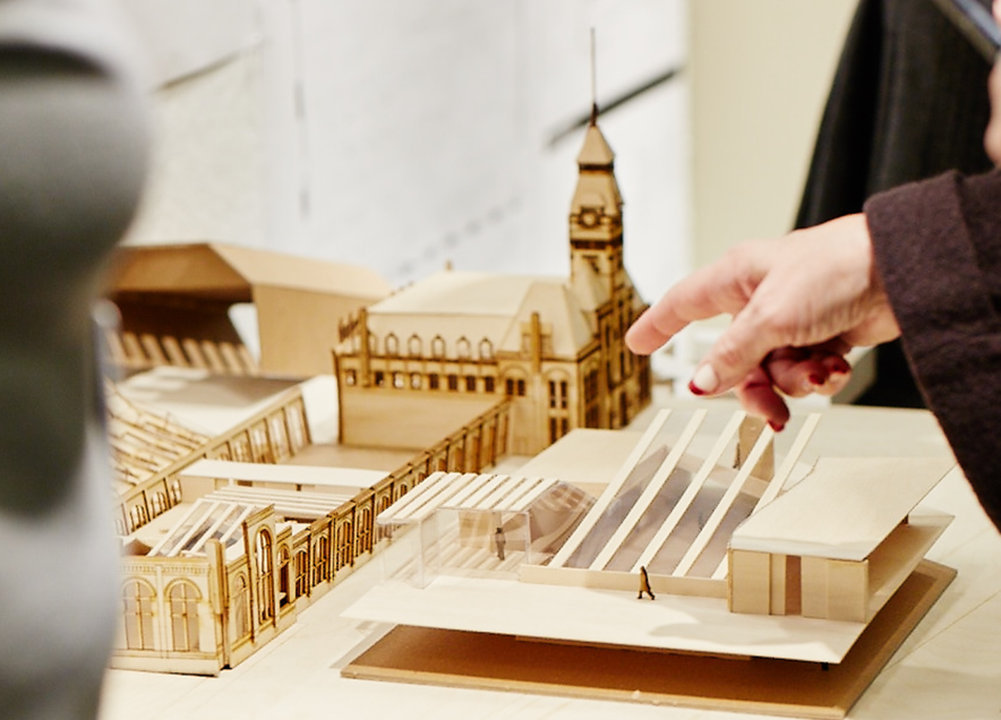

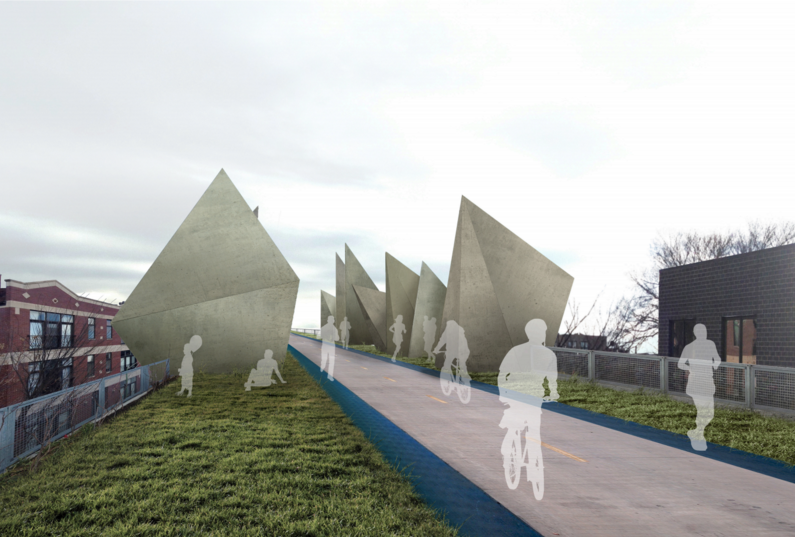

Upcoming Admissions Events
Get More Info
Sign up for email updates to learn more about our undergraduate programs.