Amy Lawson Smeed
Will Make You Cry
Will Make You Cry
FEATURE
SPRING 2026
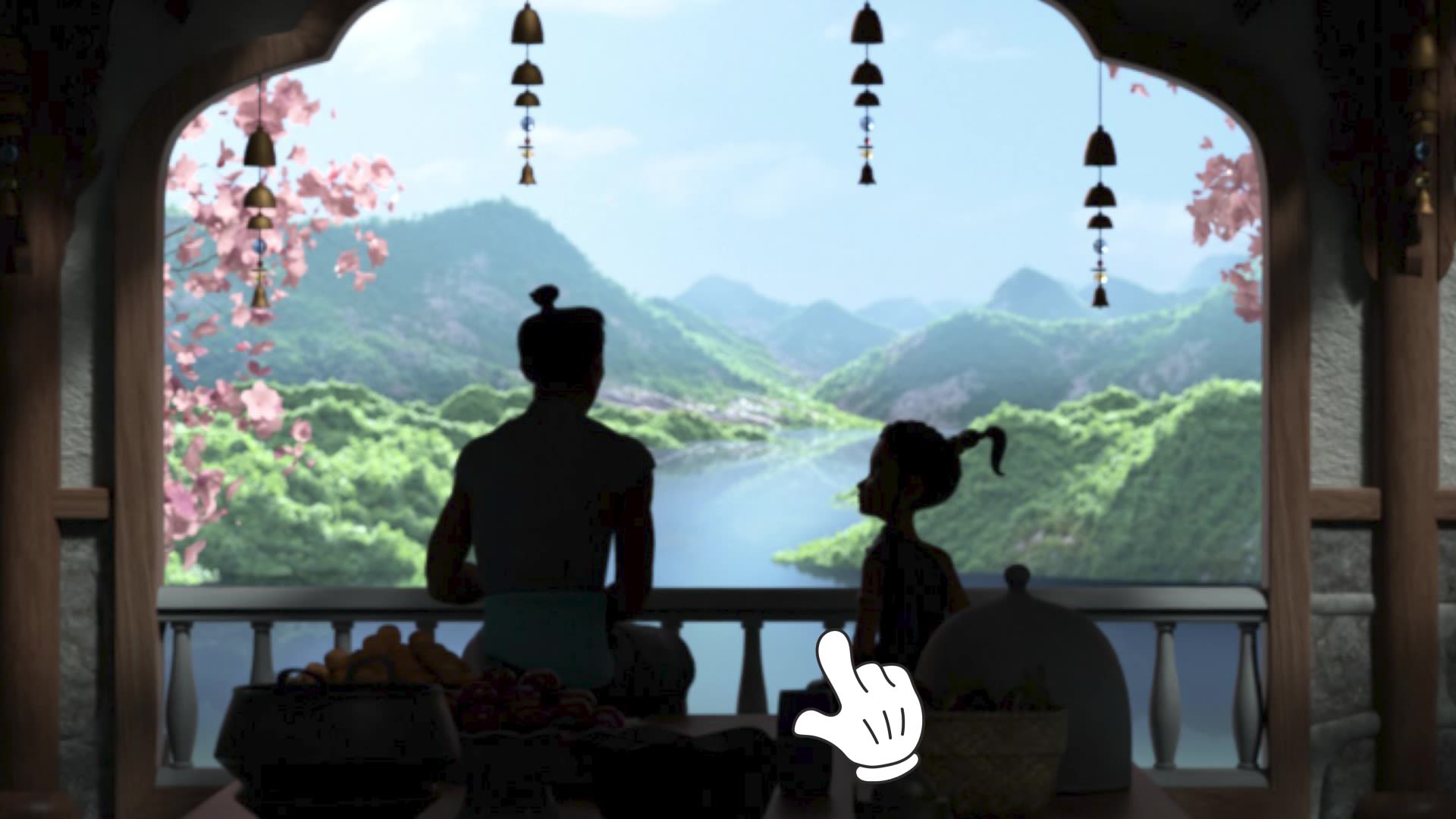


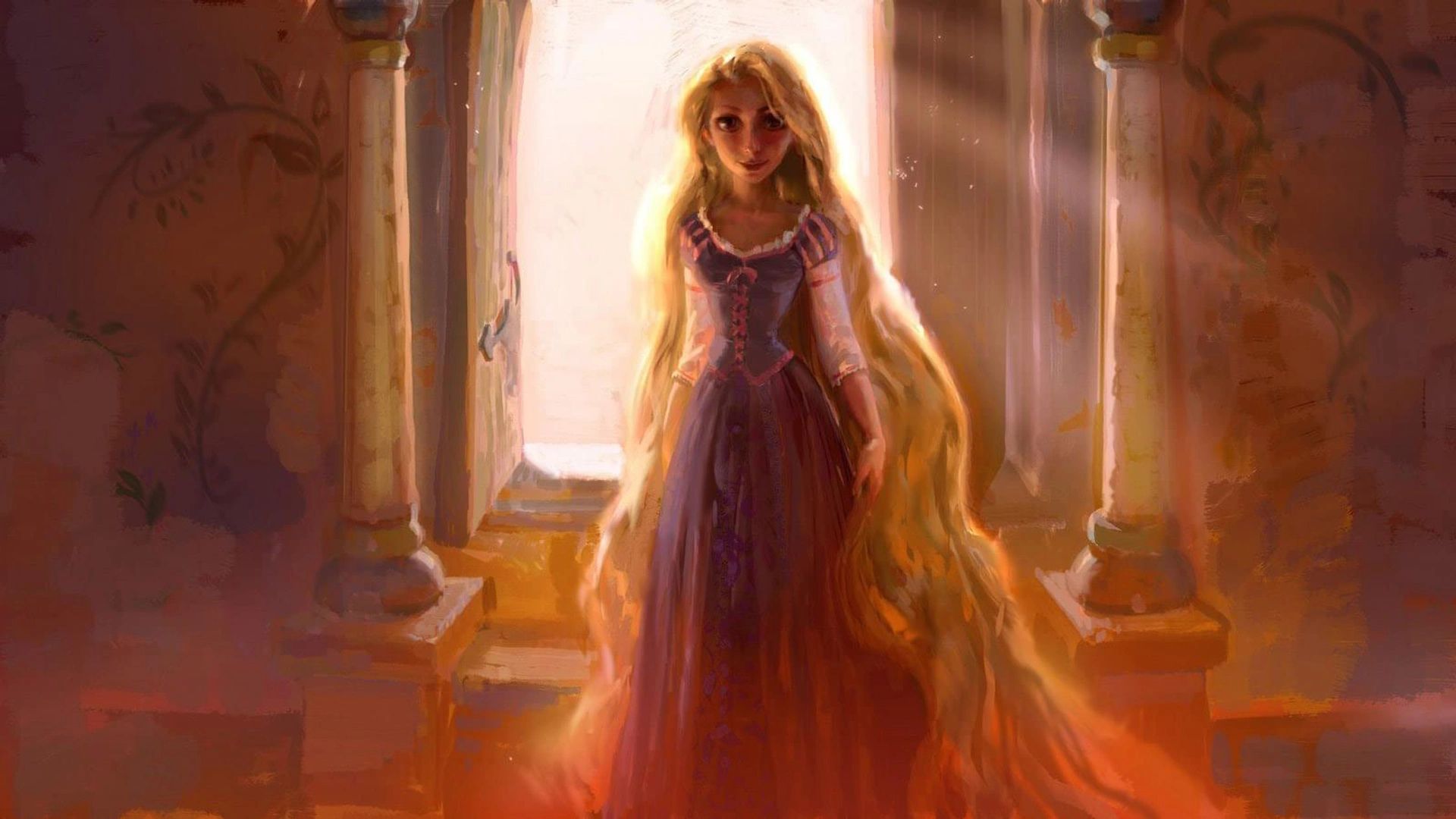
Concept art from Tangled.
Concept art from Tangled.
BY Sophie Lucido Johnson (MFA 2017)
On the Subreddit for the movie Tangled, there’s a thread about an iconic sequence where Flynn Rider dies in Rapunzel’s arms. The thread is about whether the scene makes people cry, and there’s a clear consensus: People don’t cry; they sob.


“I don’t cry watching movies but I cry for this,” writes one user, summarizing the majority perspective. School of the Art Institute of Chicago (SAIC) alum Amy Lawson Smeed (BFA 1997) would be happy to hear it. That’s the reaction she was going for when she animated the scene.
Smeed is known industry-wide for her deftness at scenes like these: poignant, heartwrenching moments where animated characters come to life on screen and, in learning their own lessons, reveal larger truths about being alive.
To make an audience connect to these moments, Smeed pays attention to every detail: every blink, nose wrinkle, and forehead crease. Each frame is obsessed over for the scene to strike the perfect chord.
“If it is an emotional moment, and if you're doing a good job as a storyteller and as an animator, then the audience is hopefully going to tear up. And if they aren't, then I haven't done my job,” said Smeed.


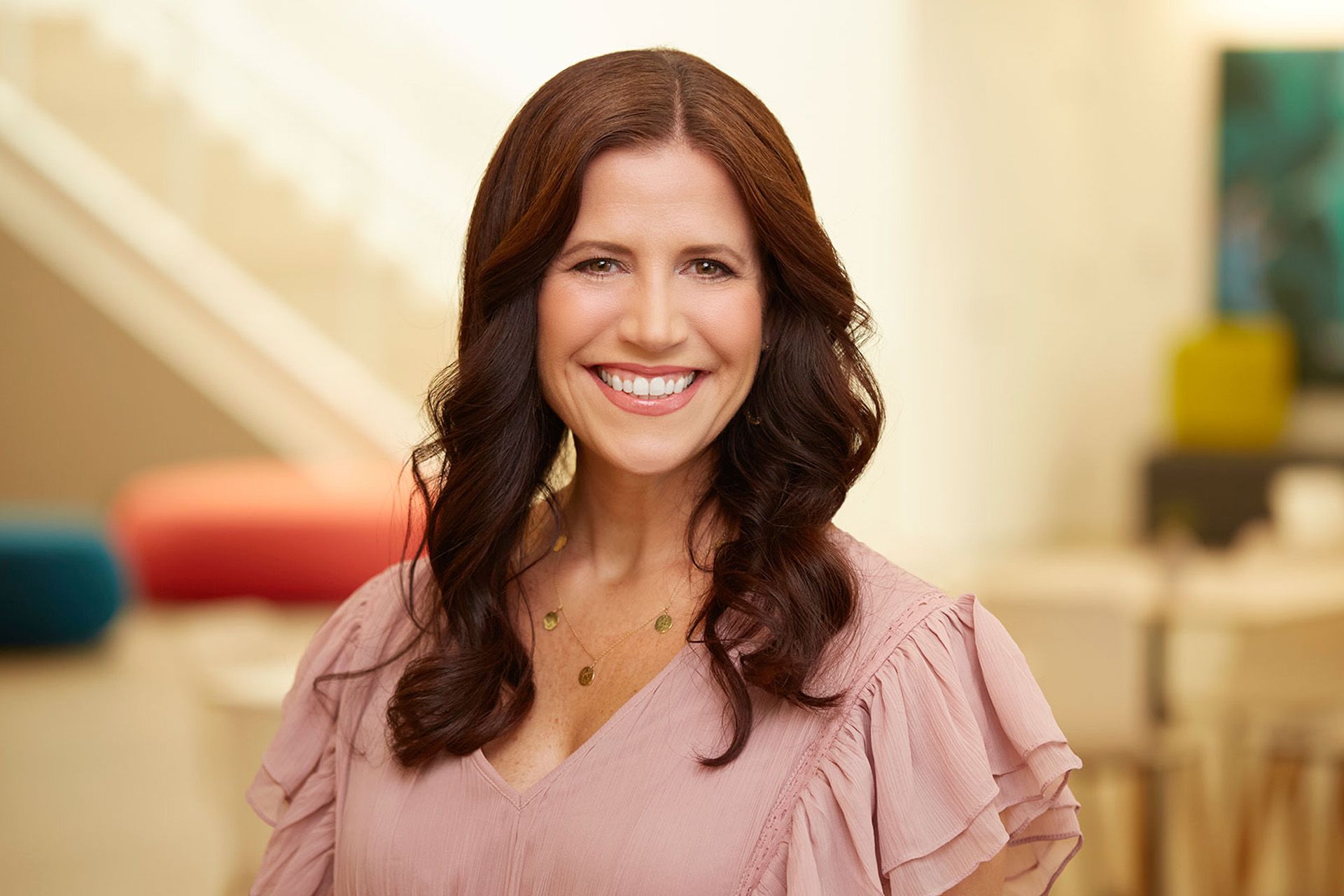
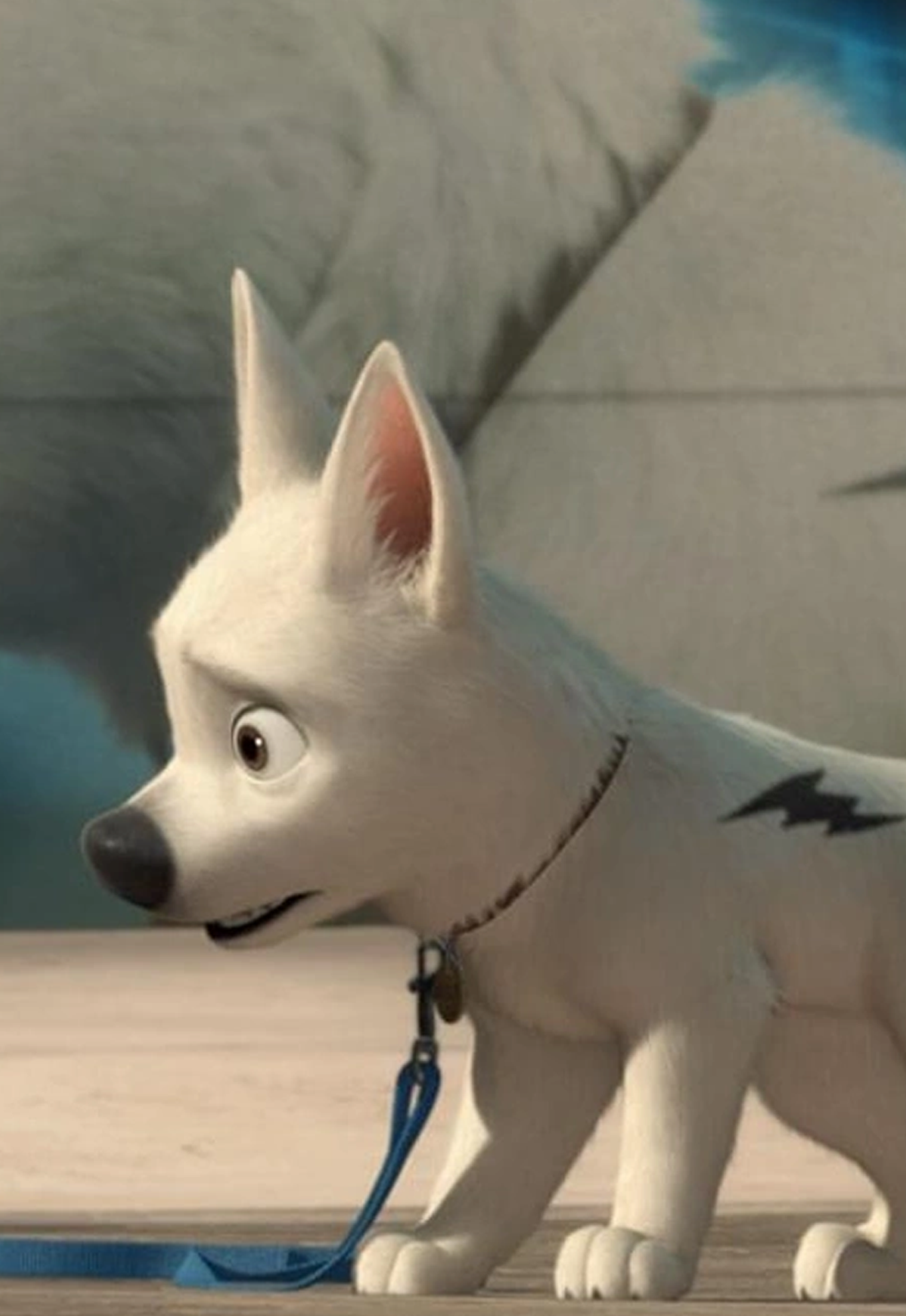
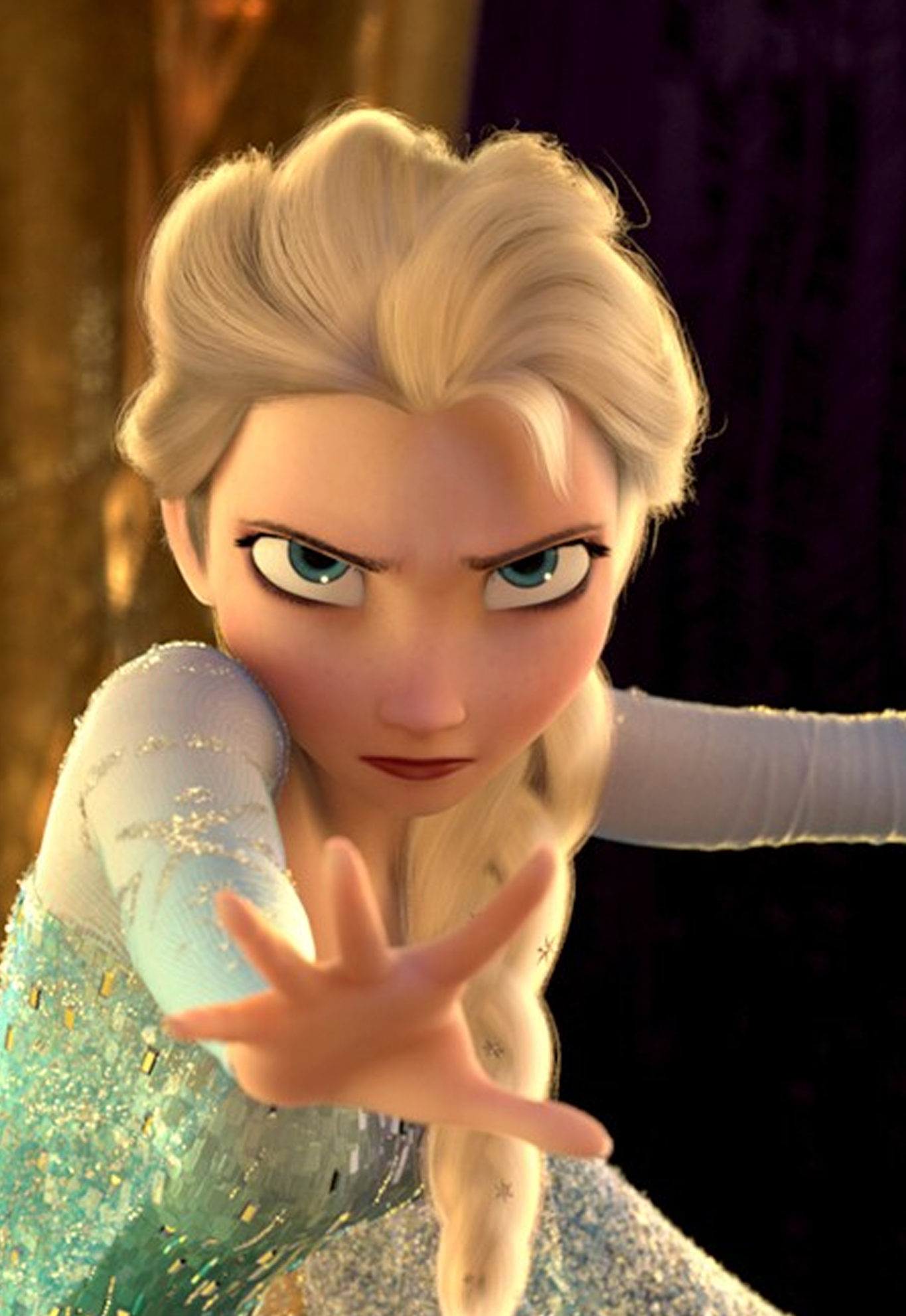
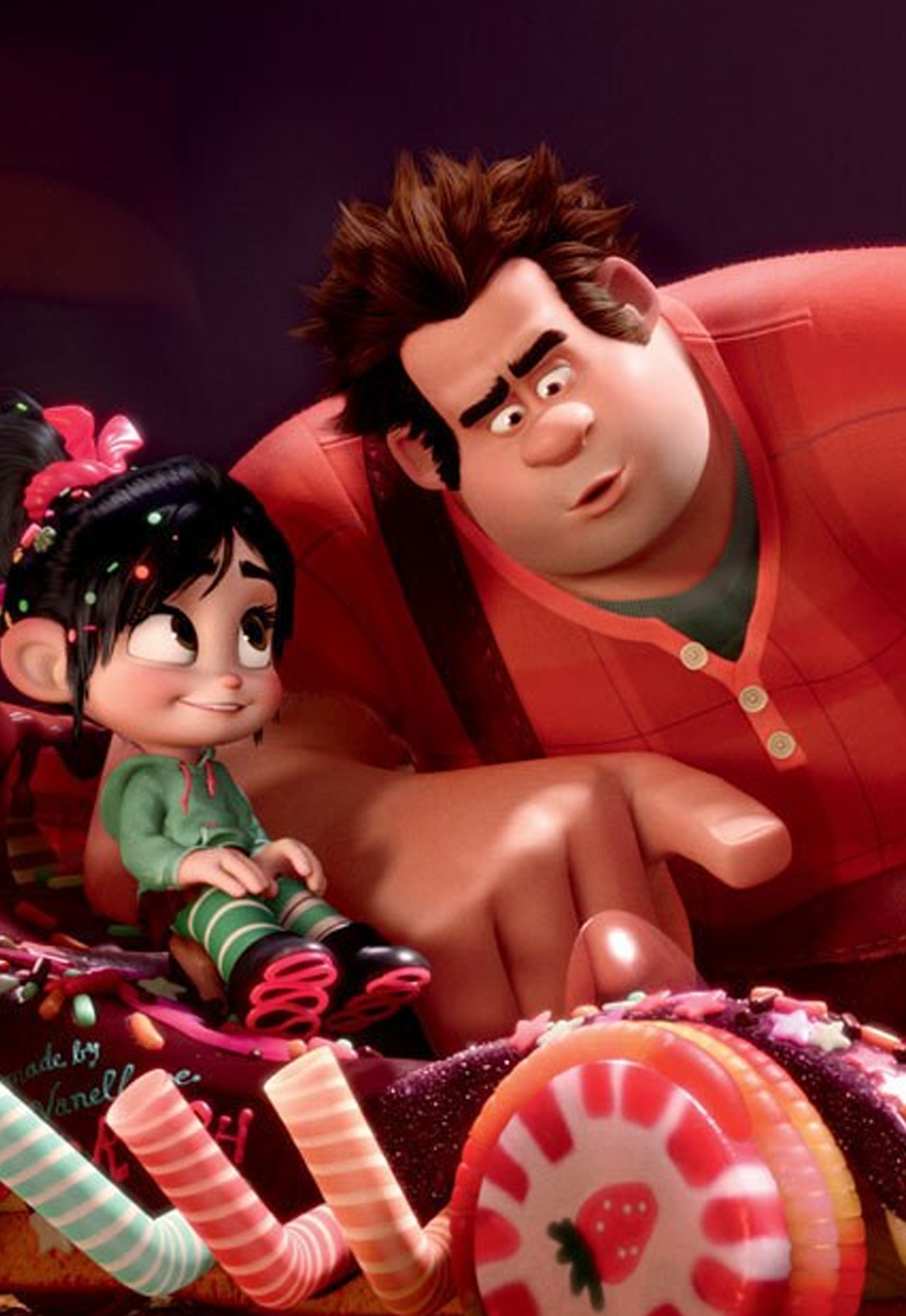
Smeed’s credits at Walt Disney Animation Studios are impressive and manifold: she worked as an animator on Bolt, Wreck-It Ralph, Frozen, and dozens of others. She was head of animation—the first woman at Disney to hold that title—on Moana, Raya and the Last Dragon, and Strange World. As an animator and leader, she’s broken ceilings, demonstrating her superlative technical and collaborative skill.
Smeed grew up in Michigan, passionate about art. When she started her undergraduate career at Western Michigan University, she realized quickly that she needed a school that would allow her to delve more deeply into the arts, so she transferred to SAIC.








She arrived at SAIC as a painter, which was an art form she truly loved—but she wasn’t sure what she would be able to do with a painting degree. She appreciated that SAIC encouraged interdisciplinary study, so she signed up for graphic design, and then for a course in the relatively new field of computer animation. With her first taste of animation, she was hooked.
“I totally started falling in love with the idea of telling stories through this medium,” Smeed said. “I don’t think I realized that there’s an artist actually sitting at their desk and doing all these incredible drawings. It just never really dawned on me until then that it was a career.”
When she graduated, she was sure that she wanted to be an animator—but as a transfer student, she didn’t have a demo reel strong enough to land a job right out of college. She got her foot in the door by applying for a job at Disney Animation Studios doing technical work in scene setup for the movie Dinosaur. In her off hours, she used the equipment to build out her own portfolio.
“I would take the dinosaur rigs and I would do animation tests. I would come in early, stay late, come in on weekends, and then reach out to animators and just ask them to give me feedback on my work,” she said.
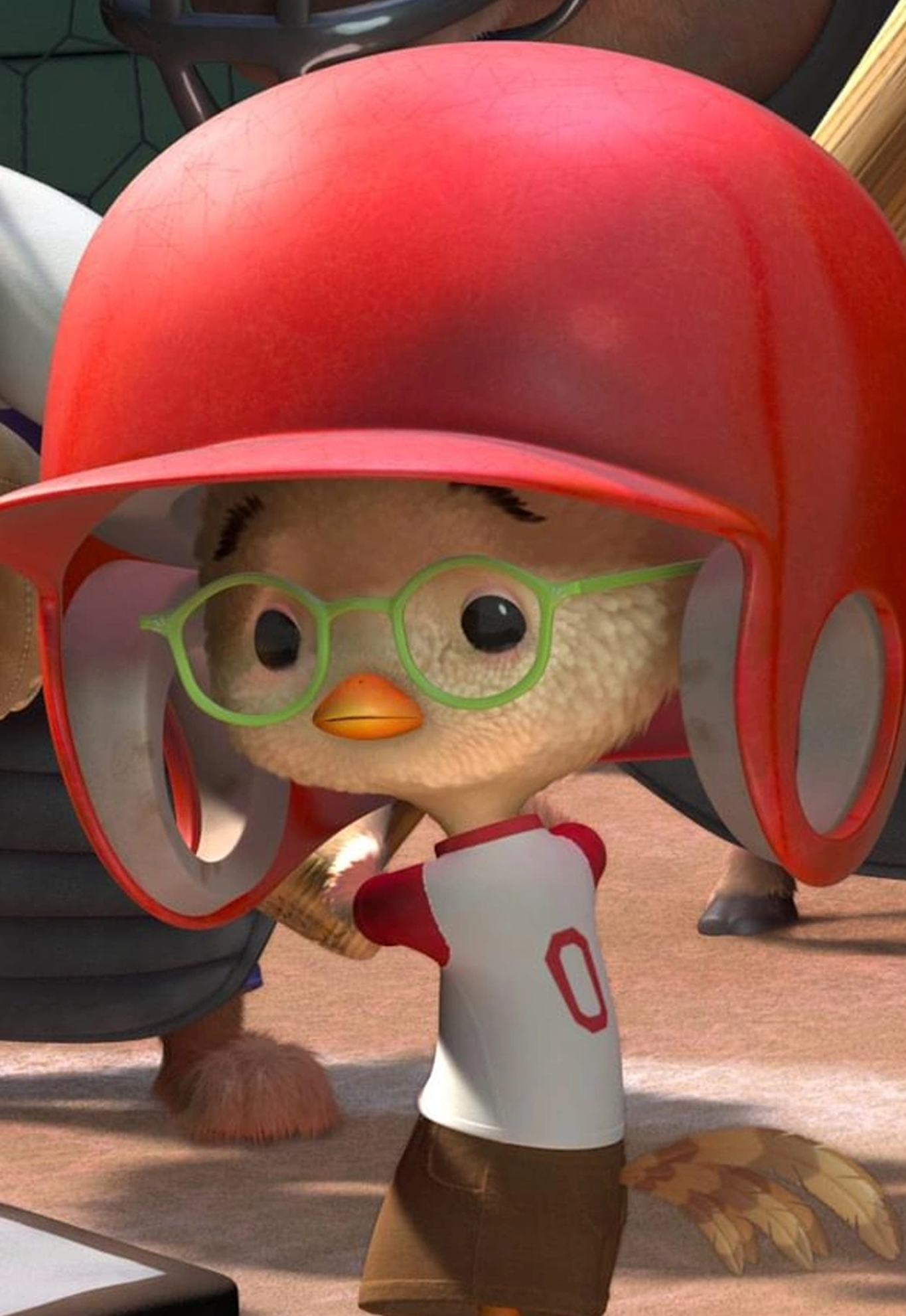
It paid off. She applied for and got into Disney’s trainee program, working on the movie Chicken Little. She was assigned a mentor and took studio-hosted life drawing classes. From there, she was brought on as an assistant animator on the film, where she learned first-hand the intricacies of all that’s involved with making an animated movie. And, by the way, a lot is involved.
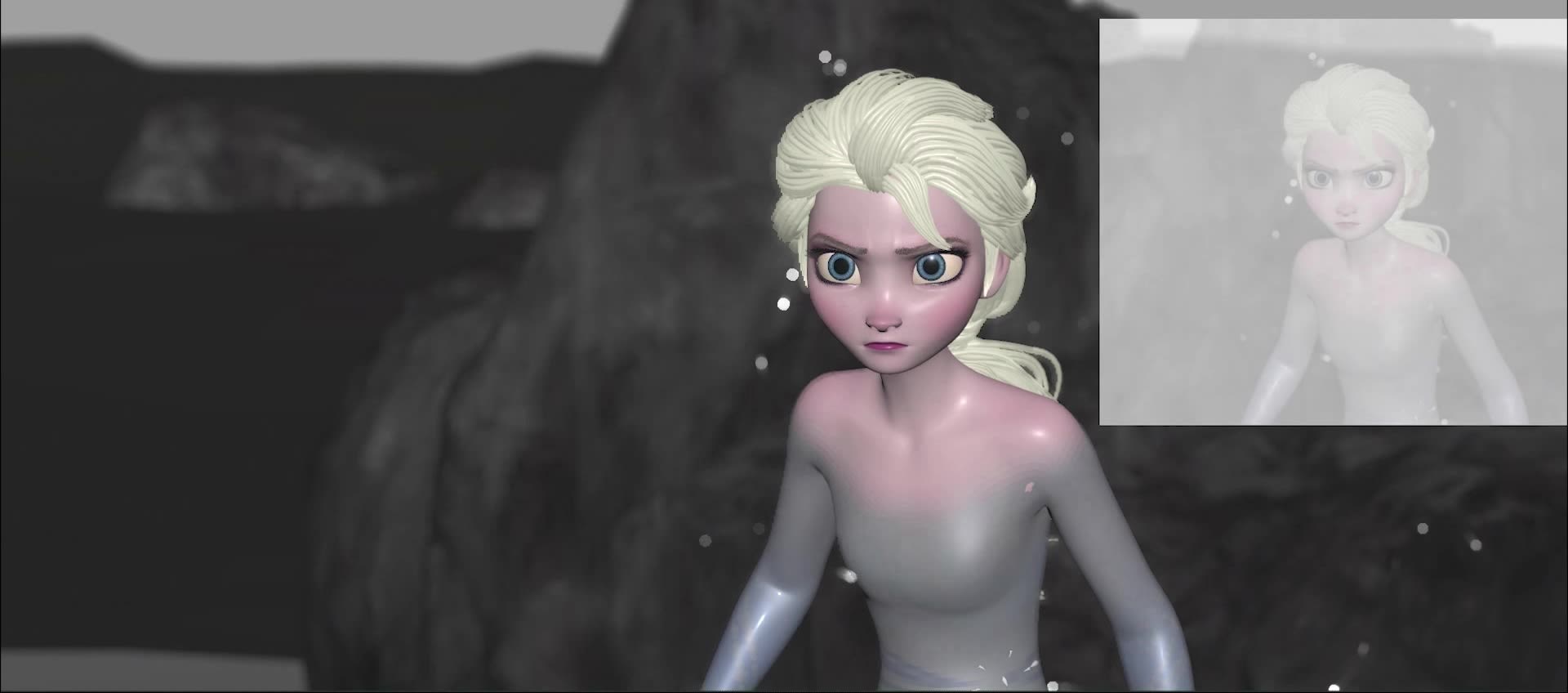

“I think there's a perception out there in the world that computer artists are, ‘Oh, they just hit those buttons, and it creates a thing,’” Smeed said. In fact, it’s dozens of animators acting out scenes, obsessing over frames, and toiling late into the night to make scenes come to life.

Animators like Smeed act through digital puppets, refine frame-by-frame, receive feedback from directors, and carefully implement it. Shots are labor-intensive. Smeed said that on average, most animators in her department animating scenes with just two characters from the waist up are able to produce, on average, three to four seconds per week. Once the animation is approved, other specialists take over to smooth out details. The whole process takes years of intense work by multiple teams of dedicated individuals.
Smeed said she loves giving studio tours and showing the invisible labor that most people usually don’t get to witness.

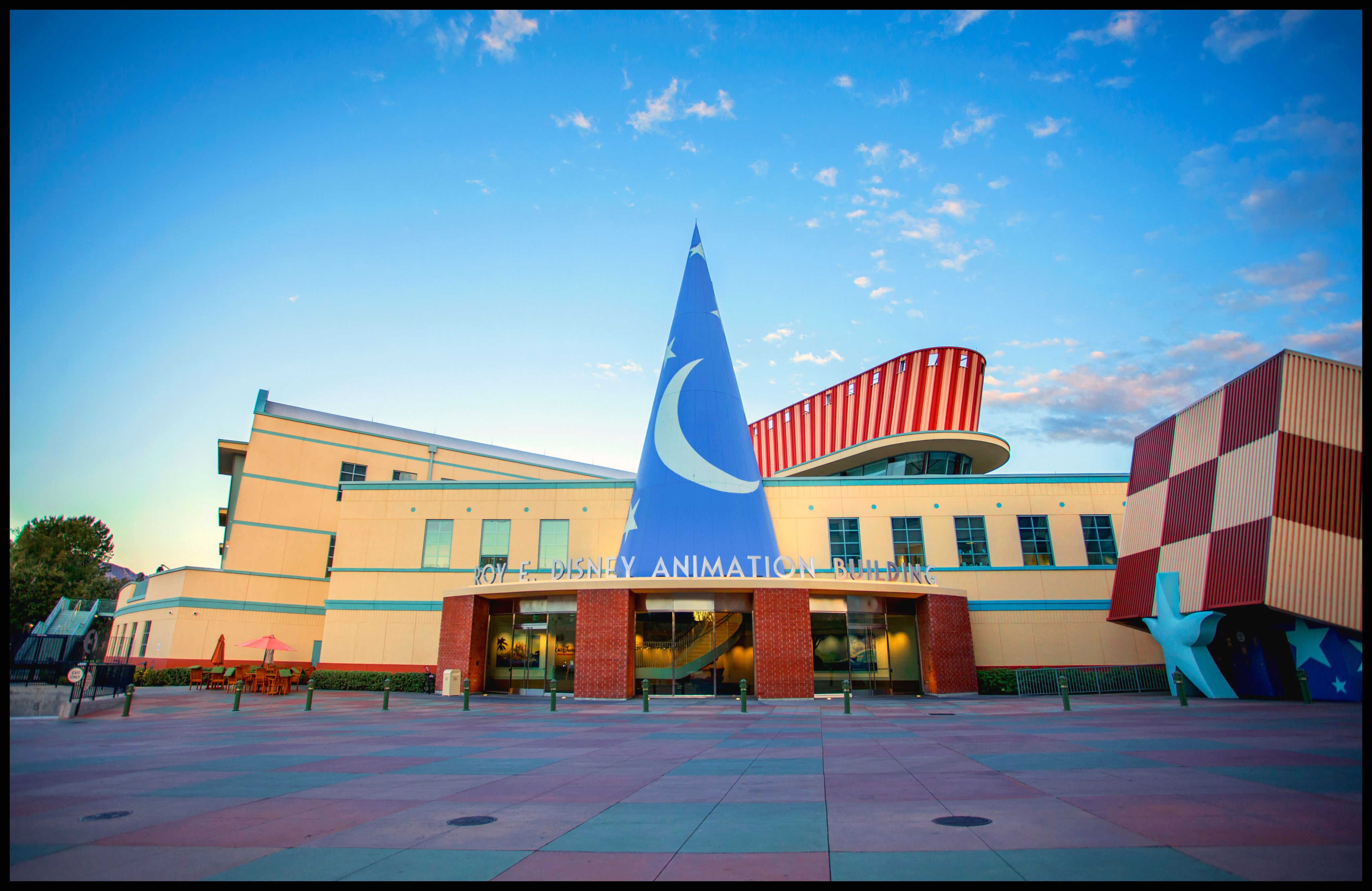

“The magic behind it all is just seeing all the craftsmanship that's behind the scenes that people don't actually see on the screen. All the work that goes into it is very special,” Smeed said.
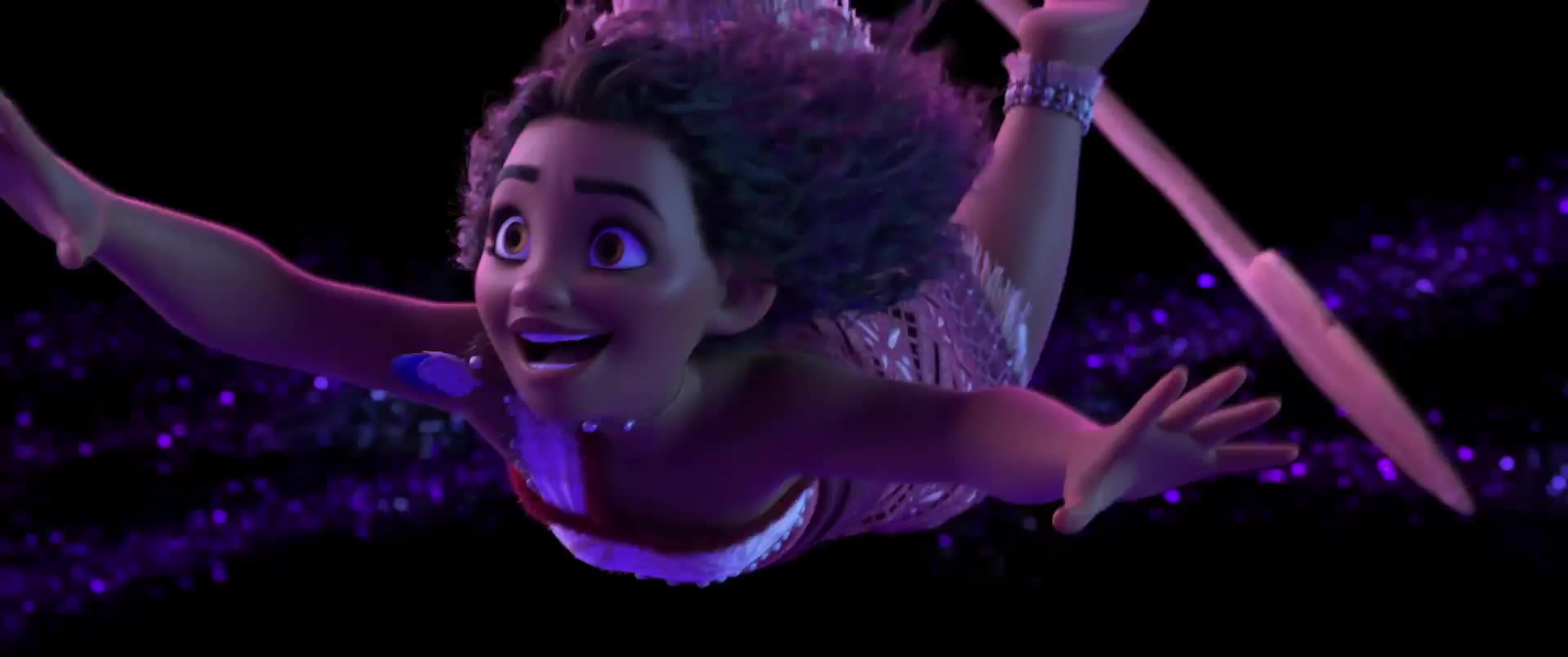
Smeed put in the hours as a trainee, and soaked up everything her new mentors taught her. She became a master listener—the first step to having the collaboration skills necessary to do this kind of work. Before long, she was a full-time animator. Roughly a decade into her career, she was tapped to serve as head of animation for the 2016 movie Moana. She’d never worked in a leadership capacity at Disney, and the idea of it was so scary, she almost turned it down.
“Ron Clements and John Musker [the directors] were icons. I felt like I was going to screw up their movie—which is ridiculous because one person can't screw up a movie, but I was just very in my head about it,” said Smeed.
Ultimately, though, she took the job, becoming the first woman to serve as head of animation on a Disney animated feature.
Moana was a major commercial hit at the box office and beyond, earning two Academy Award nominations. On the heels of Moana’s success, Smeed once again became the head of animation for 2021’s Raya and the Last Dragon, where she honed and perfected her leadership skills.
As a leader, Smeed makes every effort to protect creativity. Before making a note, she said, she asks whether the note makes a shot better or just different. Her goal is always to protect an animator’s ownership and risk-taking and not overwrite them with her own taste.


“I really want to make sure people are comfortable taking those risks because when they do, their work is going to be stronger. You're going to get more entertaining choices, things that are unexpected,” she said.
This philosophy has shaped the animation teams that Smeed has led and continues to lead at Disney. She strives for kindness, empathy, and attention to morale—especially in crunch times, when the work is moving at a break-neck speed. It’s the mix of softness and care with hard work and passion for animation that’s driven her undeniable success.
Animation is a part of Smeed’s personal life, too. She met her husband Tony Smeed at work; he’s also an animator and supervisor at the studio. They collaborate and generate ideas together, and talk about animation at home. She is raising her daughter to think creatively and pursue her passions—and from time to time, her daughter has helped her animate characters by acting out some key poses.
She also wants young animators to take risks and be brave and to use the freedom of interdisciplinary study across mediums as a training ground—which, she said, is amply encouraged at SAIC.
More than 25 years after she initially set foot in Disney’s animation studios, Smeed has emerged a quiet hero of contemporary animation and a model of how hard work and deep listening can transform a career. Now at the height of her power, she has some exciting recent and upcoming projects: Zootopia 2, which she was an animator on, released in late 2025; and she’s in pre-production for Frozen 3.
If she’s doing her job well—and it’s clear that she is—these films, too, are going to bring their audiences to tears. ■
 Built with Shorthand